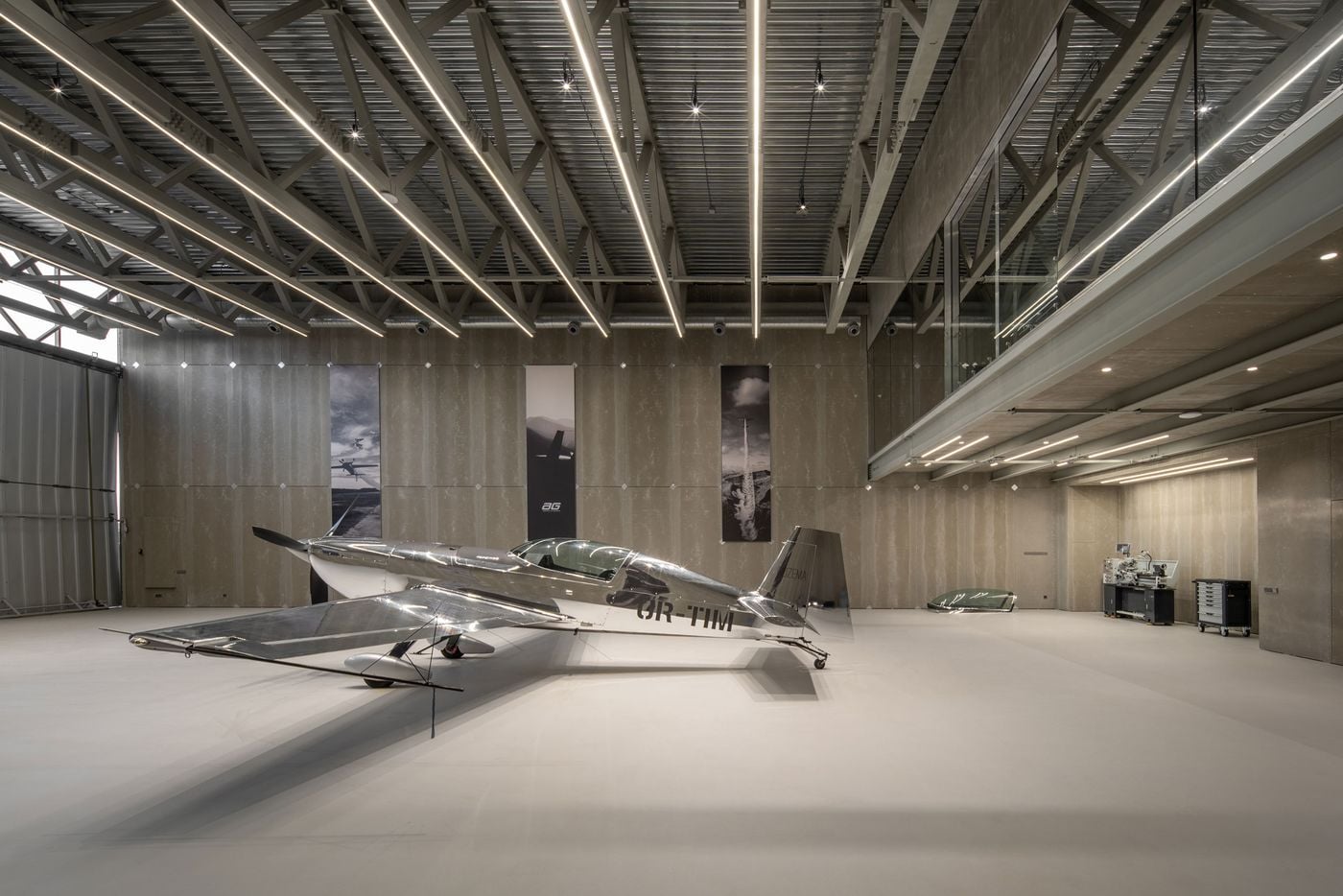
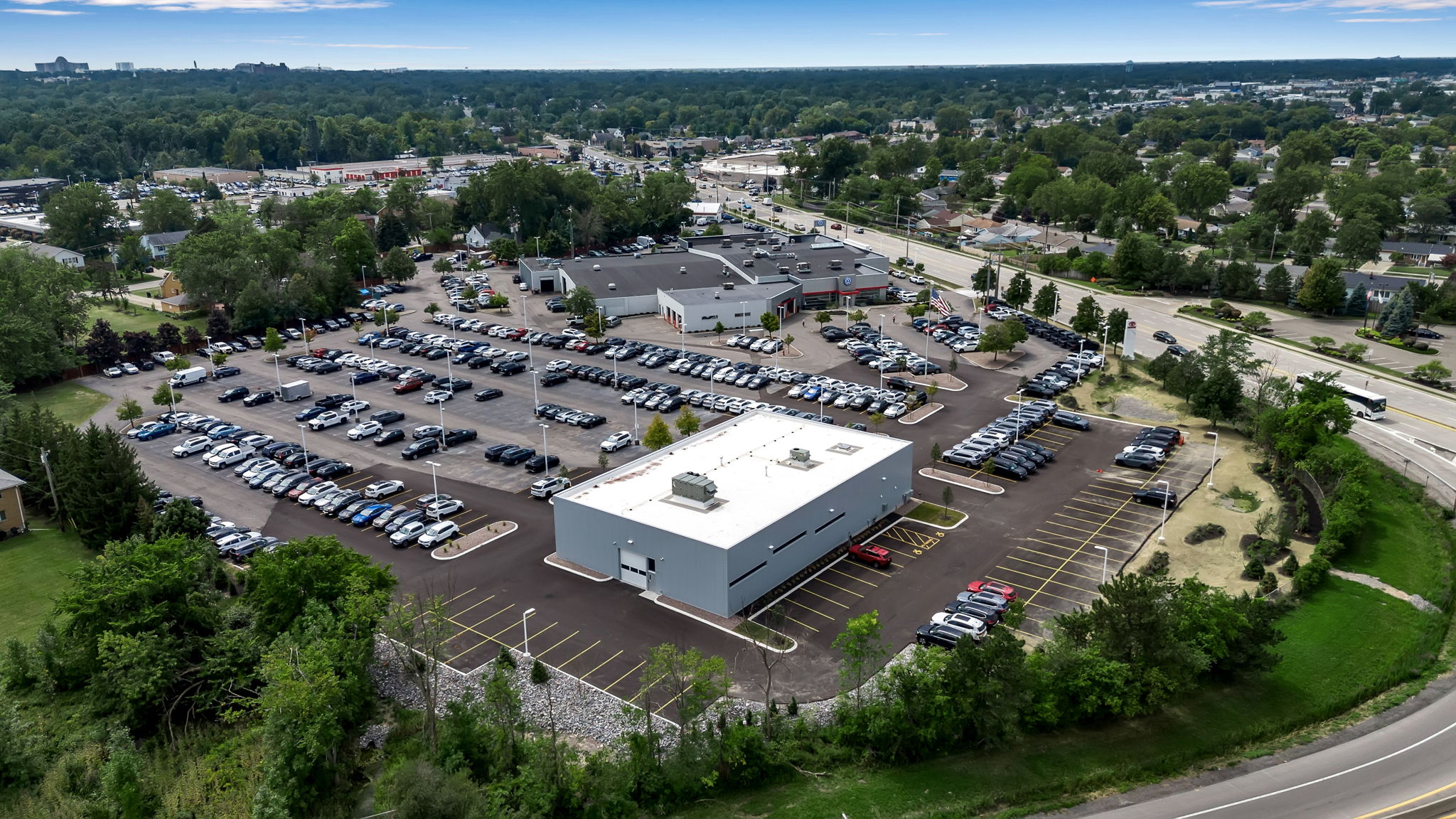
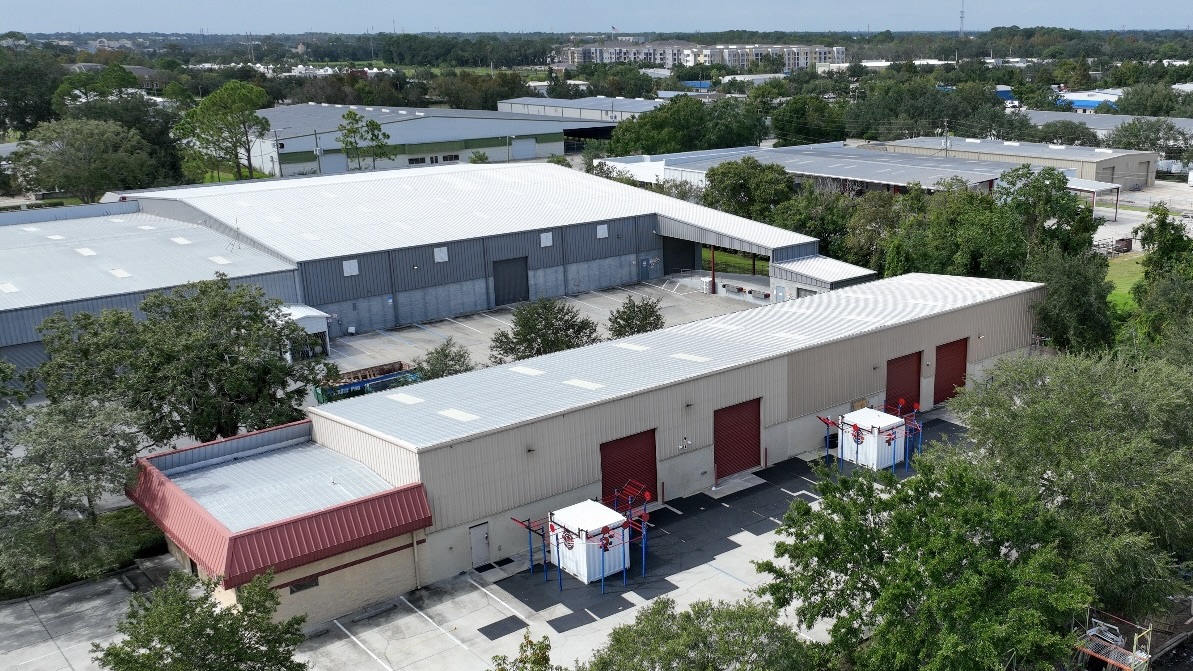
Roof condition
Membrane seams, fasteners, curbs, penetrations, edge metal, and drainage paths are reviewed before any repair scope is recommended.
 Request Roof Walk
Commercial Roofers of Huntsville handles event venue & convention center roofing with a documented roof walk, photo notes, repair priorities, and a clear path for maintenance, recovery, or replacement.
Huntsville's commercial market is powered by the Redstone Arsenal and Research Park at the University of Alabama in Huntsville, with significant commercial activity along the US- commercial belt. Event venues, convention centers, and banquet facilities in this market have committed event calendars that make roofing scheduling a project management challenge first — finding confirmed dark periods in a facility booked 12 to 18 months in advance requires the booking calendar before any scope is written.
Local Roof Context For Hotel and Hospitality Roofing, the City of Huntsville says about 1,400 US Space Command jobs will transition to Redstone Arsenal over five years and approximately 60 acres have been identified for the headquarters facility.
Event venue and convention center roofing in Huntsville lives and dies by the booking calendar. These buildings don't have quiet seasons — confirmed events may be locked in 18 months in advance, and a re-roofing project that misses an event deadline doesn't just create a schedule problem; it creates a liability claim. Before we write a scope or discuss a price, we ask for the confirmed booking calendar. The phased work plan is built to the calendar, and event-protection milestones are written into the contract before anything else is agreed.
Venue operational calendars in Huntsville typically show one or two multi-week dark windows per year — usually post-graduation season and the late-winter shoulder period. These are the primary work windows for major re-roofing phases. Within these windows, we design phases that achieve full watertight protection — membrane down, all seam laps sealed, all drain terminations completed — before the window closes. What doesn't get done in the window gets deferred to the next one, with maintenance program coverage on the deferred sections in the interim period.
The challenge in event venue scheduling in Huntsville isn't just the big events — it's the setup and teardown periods that bracket them. A convention facility that's dark for two weeks still needs loading dock access for exhibitor move-in starting three days before the event opens. Roofing work that compromises loading dock access during exhibitor move-in is a problem even if the event hasn't started. We map setup, event, teardown, and cleaning cycles for every confirmed booking and plan our work around all of them, not just the event dates themselves.
We review the venue's confirmed booking calendar — including setup periods, event dates, teardown periods, and any private events that don't appear on the public calendar — and identify contiguous periods where no venue-related activity is scheduled. Each dark window is assessed for its minimum duration: can a complete, watertight phase be achieved before the next activity begins? If not, it's not a viable work window regardless of how it looks on the calendar.
An event-protection milestone is a contract-defined checkpoint — a specific date by which a defined roof zone must be fully watertight. It differs from a construction completion date because it has an explicit cost consequence: if we approach the milestone date with the zone not yet watertight, we add crews and shifts at our cost to close the zone before the event opens. This is not a verbal commitment — it's written into the contract with the crew-addition trigger defined in the milestone language.
Yes — with careful access coordination. Sections of an event venue that are not in active setup or event use can be worked during the setup period for an adjacent event. We conduct a daily access review with the venue's operations coordinator to confirm which roof sections are above areas that can accommodate construction activity on any given day. No overhead work occurs in areas directly above active setup or teardown operations.
New bookings after contract execution are handled through a defined change management process. We review the impact on the current phase schedule, adjust phasing to close out the affected zone before the new event's setup date, and document the schedule change and any cost impact in a written change order. Surprise bookings that fundamentally shorten a confirmed work window are the venue's responsibility — the contract language allocates that risk correctly.
Optimal mobilization notice is 6-8 weeks — enough time to order materials with confirmed lead times, schedule crew, and complete the pre-construction coordination with the venue's operations team. We can mobilize within 3-4 weeks for a confirmed window if material lead times allow. For events with hard move-in dates and no flexibility, we recommend confirming the work window and issuing a notice to proceed no less than 8 weeks before the first planned work day.
Membrane seams, fasteners, curbs, penetrations, edge metal, and drainage paths are reviewed before any repair scope is recommended.
Work windows, tenant access, equipment protection, and safety needs are considered so roof work fits the building’s operating rhythm.
Photos, notes, measurements, and priorities are organized into a roof plan that helps ownership choose the next move with less guesswork.