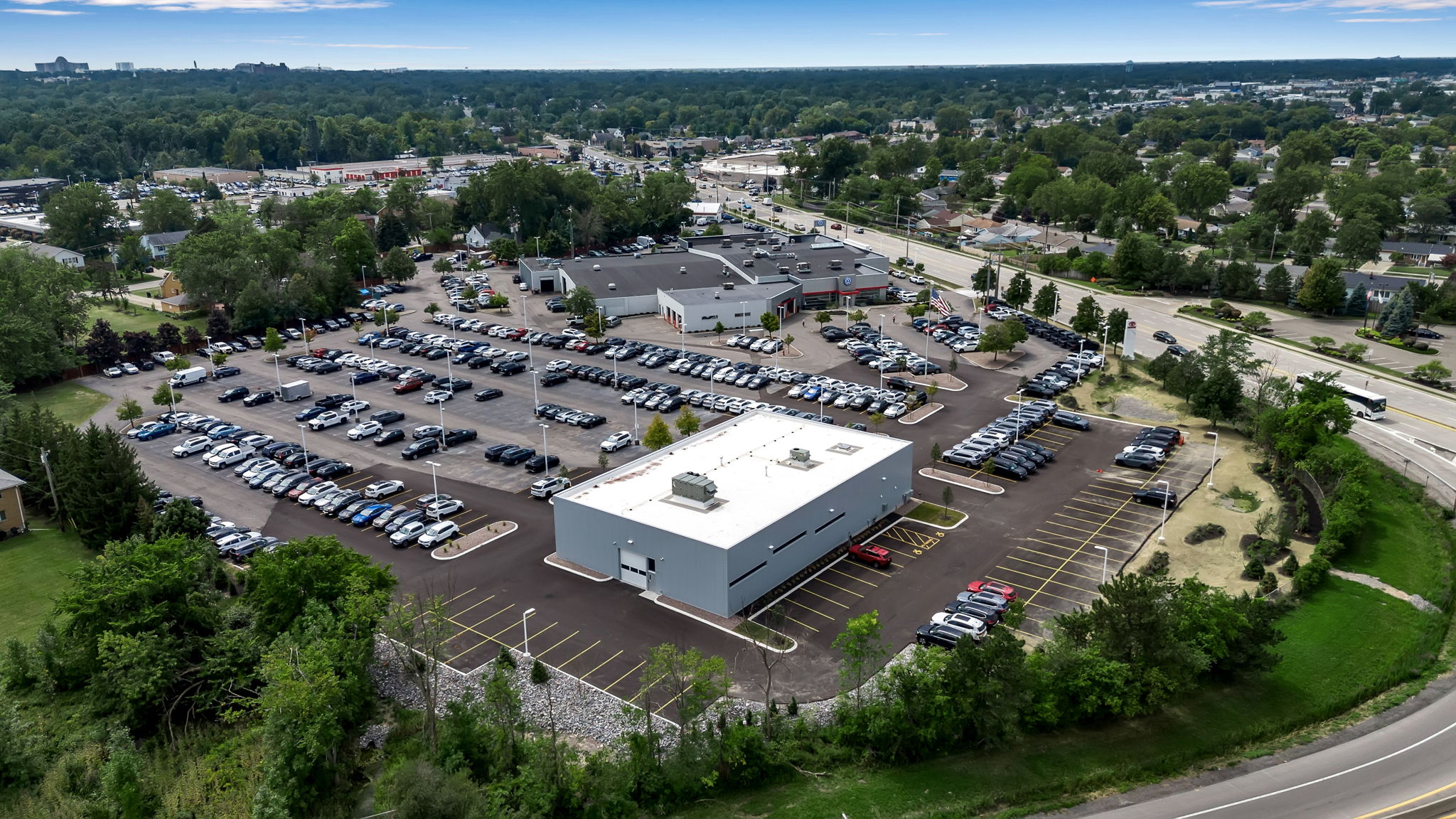
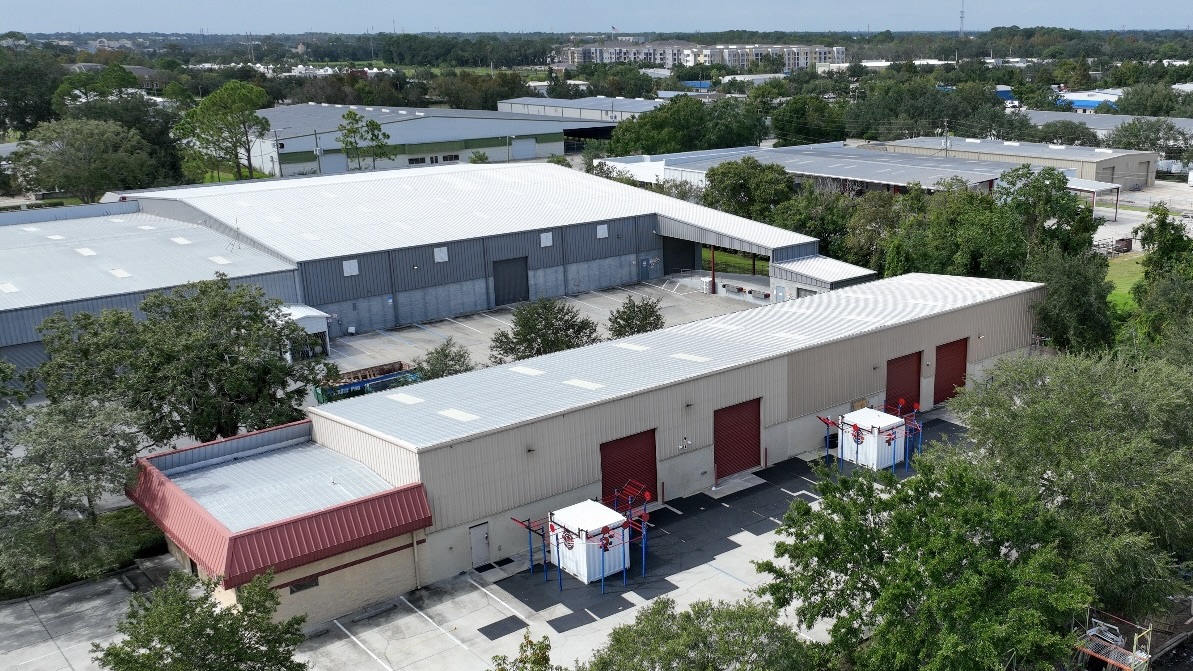
Roof condition
Membrane seams, fasteners, curbs, penetrations, edge metal, and drainage paths are reviewed before any repair scope is recommended.
 Request Roof Walk
Commercial Roofers of Huntsville handles fitness center & gym roofing with a documented roof walk, photo notes, repair priorities, and a clear path for maintenance, recovery, or replacement.
A fitness center looks like a simple box from the parking lot, but the roof over it is doing more work than almost any other commercial building of the same size. Showers, locker rooms, steam rooms, hot tubs, and indoor pools push warm, wet air upward all day, and that interior vapor drives condensation into the roof assembly from below no matter how tight the membrane is on top. Most gym roof failures in this market do not start with a hole in the membrane. They start with moisture migrating up from the humid spaces underneath and soaking insulation that nobody can see. Getting a gym roof right means controlling that vapor as part of the design, not patching the symptom later.
Huntsville's fitness market has grown right alongside its population. National and regional clubs have filled retail pads along the Memorial Parkway and US-72 corridors, newer studios and box gyms have opened around Bridge Street and MidCity off University Drive, and the workforce moving in for jobs at Cummings Research Park and Redstone Arsenal has kept demand strong for everything from 24-hour chains to dedicated aquatic and recreation facilities. That range means we see everything from a single-story strip-pad gym to a full club with a natatorium, and each one gets a vapor and ventilation review specific to how it actually operates.
The training floor is usually a large open space with no interior columns, so the roof deck over it behaves like a long-span structure and has to be fastened for the uplift that comes with it. We confirm the deck type and span and set the attachment design accordingly rather than reusing a generic field spec. Above that open floor sits an unusually dense array of rooftop equipment. High-occupancy spaces need heavy air handling for carbon dioxide and humidity, and group-exercise rooms, locker rooms, and pool enclosures each carry dedicated ventilation. The result is a penetration count per thousand square feet that often runs two to three times what a comparable retail or office roof would have, and every one of those curbs and stacks is a potential entry point in a high-humidity building.
Put the vapor control layer in the wrong place for north Alabama's humid climate and you build a moisture trap. Warm, wet interior air hits a cold surface inside the assembly, condenses, and quietly destroys insulation R-value within a few seasons, all while the membrane on top still looks fine. Before we recommend a reroof on a gym, we survey the existing assembly, determine whether the vapor retarder is positioned correctly, and specify the right buildup for the spaces below. Recovering over a wet or misspecified assembly compounds the problem instead of solving it, so a moisture survey comes before the scope on any facility with significant interior humidity.
Many Huntsville gyms run from before dawn until midnight, and the 24-hour chains do not close at all. That removes the convenient overnight maintenance window other commercial buildings rely on. We build the scheduling into the proposal rather than treating it as a change order: tear-off and dry-in windows are confirmed daily in writing, the facility manager gets a status report so they can verify watertight protection before the next operating cycle, and crew start times and noise limits near occupied locker rooms are set in the pre-construction plan. For pool facilities, any work that touches exhaust or HVAC penetrations is coordinated with pool operations so air quality above the water stays in compliance with state health standards.
Beyond the ventilation, a fitness center accumulates rooftop weight over time in a way the original roof may not have been designed for. Added HVAC tonnage to keep a packed floor cool, sauna and steam exhaust, pool dehumidification units, and even rooftop solar on newer clubs all stack load onto the deck and add penetrations. When a club expands a group-fitness wing or adds a recovery and spa area, equipment goes up on the roof without anyone revisiting the structural capacity or the membrane warranty. We document every unit, its curb, and its clearance during the survey, confirm the deck can carry what is sitting on it, and detail each penetration so the additions are tied into the warranty rather than left as uncovered cuts. Vibration from large rooftop air handlers also works fasteners loose over time, so on a reroof we set attachment patterns with that ongoing movement in mind rather than treating the equipment as static.
North Alabama hands these roofs humid heat, heavy rain, hail, and tornado-season wind, and Huntsville sits in the severe-weather corridor that produced the historic April 27, 2011 outbreak. We specify edge metal and attachment for those loads and inspect perimeter metal, curbs, and drainage after storms. Whether the building is a corporate chain location with a vendor-approval process or an independently owned club, the closeout package is the same: permit and final inspection records, manufacturer warranty registration, a roof zone diagram with the full penetration inventory, a drain and flashing report, and photo documentation, formatted to match a corporate facilities system when one is in play.
Our roof keeps showing damp insulation but the membrane looks fine. Why? That is the classic sign of interior vapor drive from your pool or locker areas condensing inside the assembly. The fix is correcting the vapor retarder position for this climate, not just replacing the top membrane.
How do you reroof a 24-hour gym? We coordinate work windows with your team, confirm dry-in in writing each day, and set crew hours and noise limits near occupied spaces in advance. The work fits around your operating cycle.
What membrane do you recommend? For clubs with pools or steam rooms, a fully adhered 60-mil single-ply assembly, since it removes the fastener-penetration field. For dry-only facilities, mechanically attached 60-mil is appropriate and more economical.
Do you handle the rooftop HVAC curbs? Yes. Every curb is documented and brought to the correct height as part of the scope, because undersized curbs are a common gym defect that voids warranty coverage if left alone.
Membrane seams, fasteners, curbs, penetrations, edge metal, and drainage paths are reviewed before any repair scope is recommended.
Work windows, tenant access, equipment protection, and safety needs are considered so roof work fits the building’s operating rhythm.
Photos, notes, measurements, and priorities are organized into a roof plan that helps ownership choose the next move with less guesswork.