Roof condition
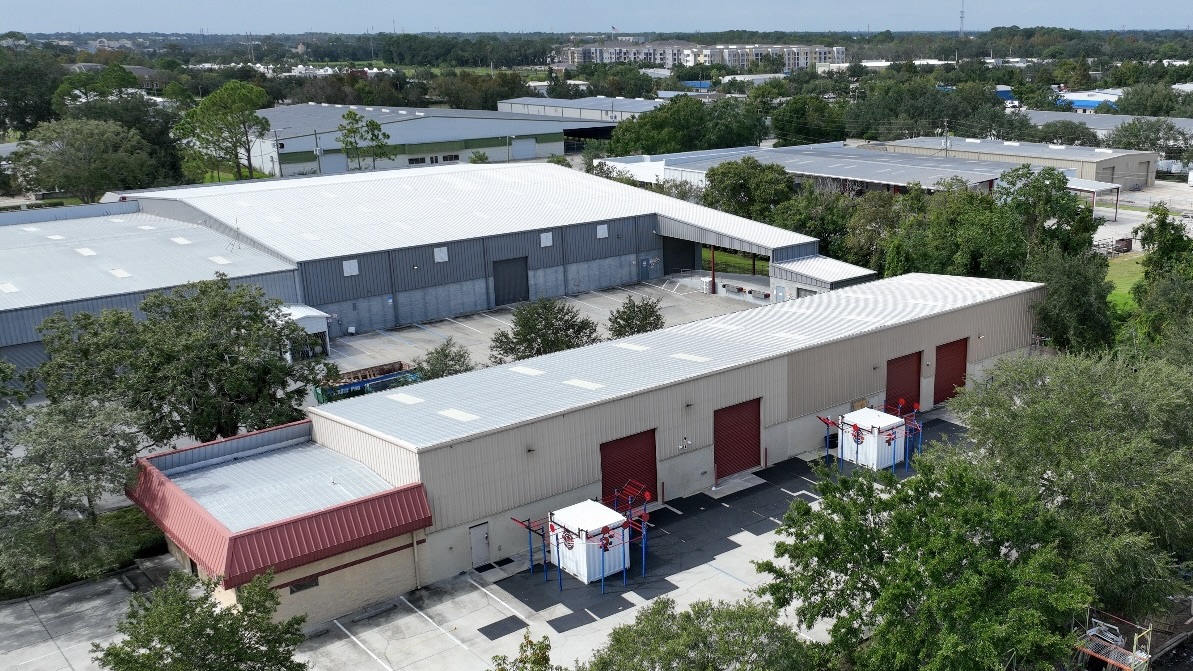
Membrane seams, fasteners, curbs, penetrations, edge metal, and drainage paths are reviewed before any repair scope is recommended.
 Request Roof Walk
Commercial Roofers of Huntsville handles food processing roofing in huntsville, al | washdown & cold-chain ready with a documented roof walk, photo notes, repair priorities, and a clear path for maintenance, recovery, or replacement.
Food plants punish a roof in two directions at once. Inside, washdown sanitation and steam-jacketed equipment push warm, wet air up against the deck for hours every shift. Outside and overhead, the refrigeration racks, condensers, and rooftop air handlers stack real structural and thermal load onto the same assembly. Get either side wrong and you do not just get a leak, you get condensation dripping over an open production line and a quality hold that costs more than the entire roof. We scope food-processing roofs in Huntsville to keep that from ever being the conversation.
This is a meaningful slice of the local industrial base. North Alabama has long been a poultry and food-production region, and the plants and cold-storage operations along the Highway 72 corridor, around the industrial parks near the airport and Jetplex, and through Limestone County toward the Mazda Toyota supplier cluster keep food and beverage processing a steady presence in the Huntsville-Madison economy. Many of these buildings run hard, run constantly, and were not roofed with washdown humidity or cold-chain physics in mind.
Not every commercial roofing product is acceptable over a food environment, and that constraint comes first, before aesthetics or even price. We confirm membrane, adhesives, primers, and sealants against the plant's USDA or FDA framework and food-safety plan before anything goes above a production zone. White single-ply works above most enclosed processing areas, but the specific formulation has to be cleared, and plenty of ordinary roofing adhesives carry solvents that simply do not belong over food. We sort that out with your QA team up front rather than discovering it during an audit.
Sanitation is what makes food-plant roofing distinct from any dry warehouse. High-pressure hot-water washdown and steam cleaning load the interior air with moisture every single day, and in the Tennessee Valley climate that vapor wants to drive up and out through the assembly for much of the year. Without a vapor retarder matched to the interior conditions, that moisture condenses inside the insulation and quietly corrodes the steel deck from above with no leak ever showing on the surface. We design the assembly around the actual interior humidity, not a generic detail.
Freezer rooms, chill rooms, and blast-freezing areas add a thermal twist to everything above them. The roof over a refrigerated space has to maintain thermal continuity so the cold chain stays intact and condensation does not form inside the build-up. Tapered insulation over these zones gets designed around the actual operating temperatures and the vapor-drive direction for our climate. Ponding water above a freezer is doubly bad here: it loads the refrigeration system and it sits over the most condensation-prone, corrosion-prone assembly on the building. We route drainage off these bays deliberately.
Most Huntsville-area food plants run two or three shifts with a single weekly sanitation window as the only time the floor is truly down. Any work that opens the envelope over an active line lives inside that window, and only after the production and QA leads confirm the floor below is cleaned and protected. We phase the project around the plant's calendar instead of asking the plant to bend to ours, and we keep refrigeration maintenance looped in on anything that touches a coil or condenser zone.
A leak over a running line is a food-safety event, not a maintenance ticket. Our emergency protocol for food facilities means a real after-hours contact, priority mobilization for temporary dry-in, and documentation that feeds straight into the plant's incident reporting. We hand off that emergency contact and the response plan at closeout so your team is not scrambling to Contact Us at 2 a.m. during a downpour.
Processing buildings that cook, fry, smoke, or render put grease-laden exhaust through the roof, and those penetrations are a category of their own. Grease that escapes a poorly flashed fan housing migrates across the membrane, degrades many single-ply materials, and turns into both a fire concern and a warranty exclusion. We treat every cooker, fryer, kettle, and kitchen exhaust fan as an individual detail: oversized curbs with proper height, grease-containment provisions, and metals and sealants chosen for the exposure rather than the generic curb that grease eats through. Where exhaust deposits have already attacked the surrounding field, we scope membrane replacement in that radius instead of coating over a problem that will keep spreading. On a food plant the penetration field, not the open membrane, is where the leaks and the fire risk both live.
Refrigeration is usually the largest energy load in a food plant, and the roof has a direct hand in it. A reflective white single-ply membrane over our hot North Alabama summers cuts the heat the roof dumps into the building, which eases the load on the refrigeration and HVAC equipment running over the production floor. Adding insulation to bring an older, thin assembly up to current R-value pays back in both refrigeration cost and condensation control, since a warmer interior deck surface is less likely to sweat. When we scope a reroof we look at the existing insulation depth, the cool-roof energy provisions the permit will require, and the realistic refrigeration savings, so the building gets a roof that lowers operating cost rather than just stopping water. For owners running tight margins on a high-volume line, that energy math often justifies the better assembly on its own.
Roof condition is a standard line item in USDA and FDA facility inspections, since inspectors look for the moisture entry points that roofs create over production. We document condition and keep clean repair records your QA manager can pull on demand to show proactive maintenance. For older built-up roofs still doing their job, we will tell you honestly whether a coating and restoration buys you years or whether the assembly is past it.
If you run a poultry, beverage, bakery, or specialty food operation anywhere from the Jetplex industrial area to the Limestone County corridor, we can walk the roof, check the vapor and drainage design over your wet and refrigerated zones, and lay out a plan that fits your sanitation window and your food-safety plan. Reach out and we will get started.
Membrane seams, fasteners, curbs, penetrations, edge metal, and drainage paths are reviewed before any repair scope is recommended.
Work windows, tenant access, equipment protection, and safety needs are considered so roof work fits the building’s operating rhythm.
Photos, notes, measurements, and priorities are organized into a roof plan that helps ownership choose the next move with less guesswork.