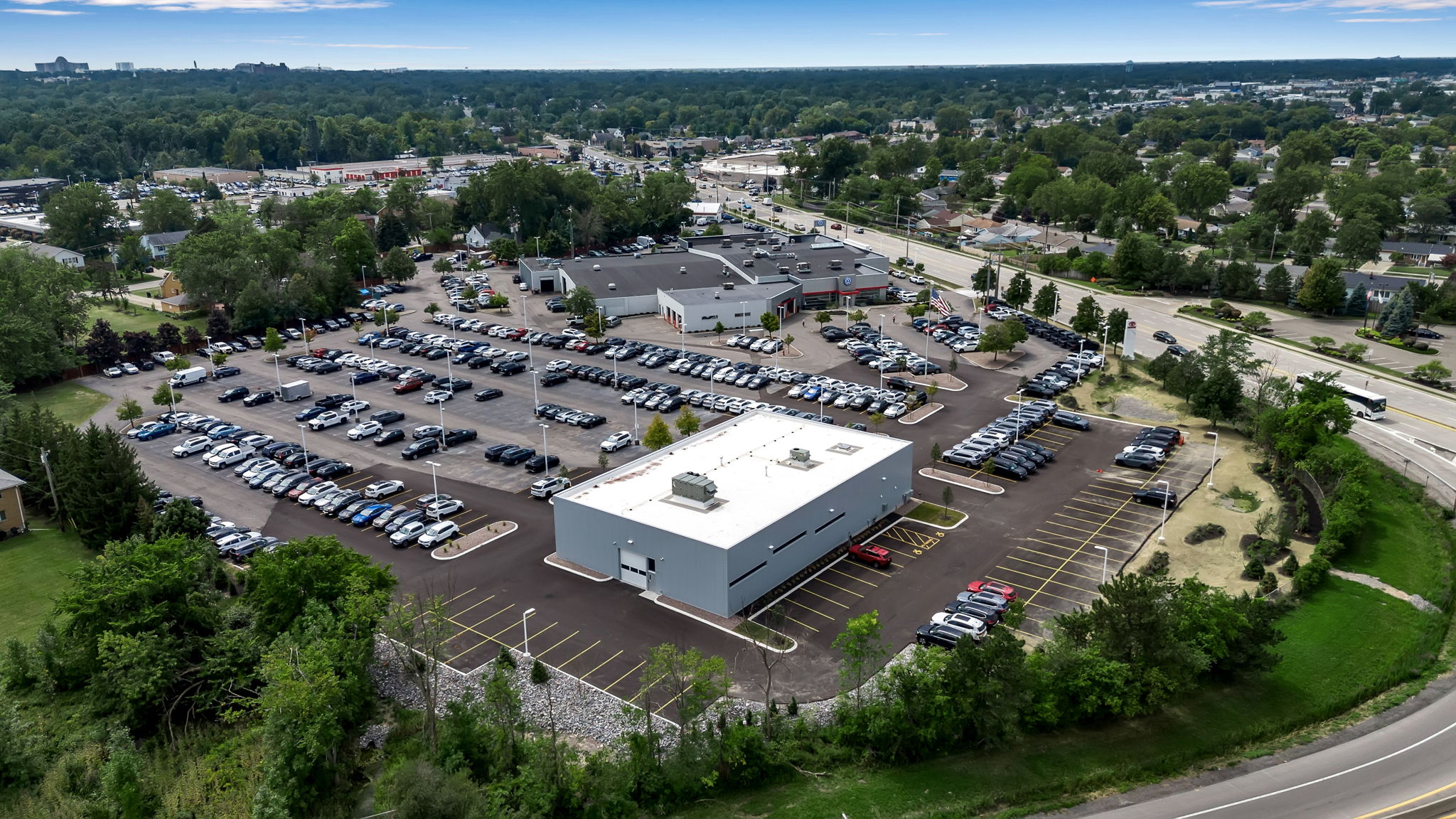
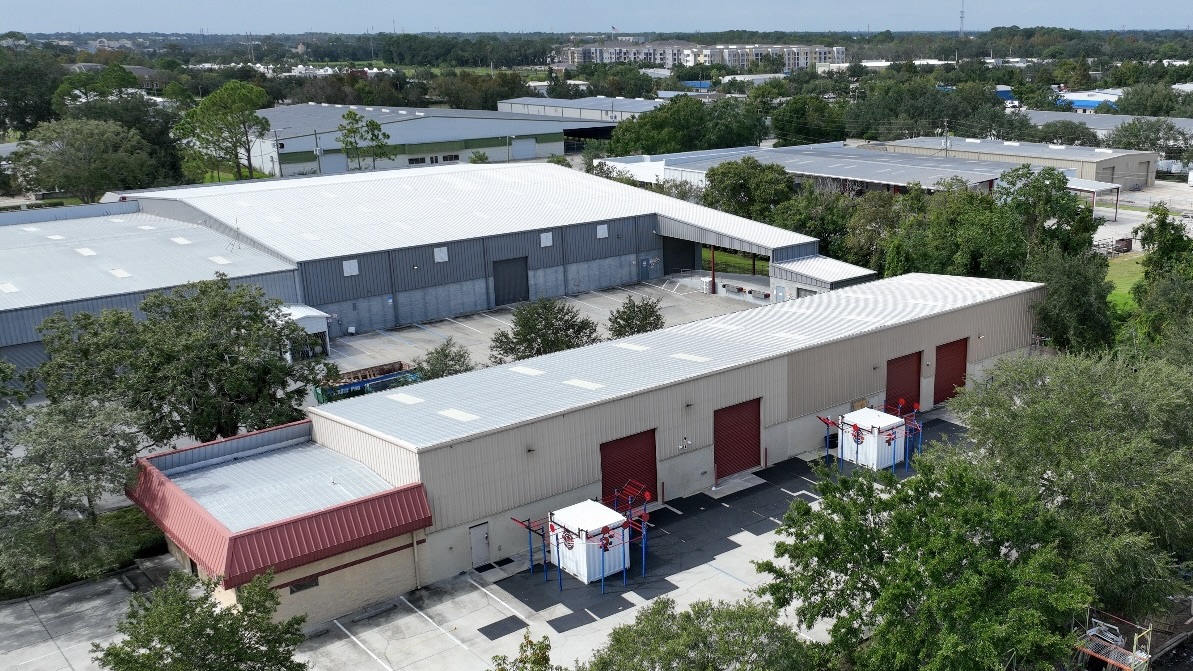
Roof condition
Membrane seams, fasteners, curbs, penetrations, edge metal, and drainage paths are reviewed before any repair scope is recommended.
 Request Roof Walk
Commercial Roofers of Huntsville handles funeral home & mortuary roofing with a documented roof walk, photo notes, repair priorities, and a clear path for maintenance, recovery, or replacement.
A funeral home is one of the few commercial buildings where the calendar belongs to grieving families, not to the contractor. We treat that as the first constraint of the job, not an afterthought. Whether the facility sits along the Memorial Parkway corridor, near the older neighborhoods around Twickenham, or out toward the growing suburbs in Madison and Hampton Cove, our crews plan every roofing day around visitation hours, scheduled services, and the simple fact that a hearse may need a clean, quiet, dignified property on a few hours' notice. We have learned to move equipment, stage material, and run tear-off in a way that a family arriving for a viewing would never notice was happening.
Huntsville's population growth has been among the fastest of any mid-sized metro in the Southeast, and that growth has pushed steady demand for funeral and memorial services across the city and surrounding Madison County. Many of the funeral homes here are long-established, family-run firms operating out of buildings that have been added onto over decades. Others are newer purpose-built facilities near the residential expansion off US- 53. Both kinds of buildings carry roofing histories that have to be read carefully before anyone proposes a scope.
The preparation room is the detail that separates this building type from any ordinary office. Embalming and preparation spaces run under negative pressure to capture formaldehyde and other chemical vapors, and the rooftop exhaust serving them has to keep running. We never cap, block, or shut down a prep-room exhaust stack for the convenience of a flashing crew. Before we mobilize, we locate every exhaust penetration tied to the prep area and write its re-flashing as a separate, scheduled task that keeps the fan online while the work happens. Coordinating that with the funeral director is part of the pre-construction conversation, not a surprise mid-project.
The other distinguishing feature is the chapel. Visitation and service rooms are frequently built as clear-span spaces, forty to sixty feet across with no interior columns, so the roof structure above them carries wind uplift loads more like a small sanctuary than a strip retail bay. We confirm the deck type and the existing fastener pattern before specifying anything. A wood deck over a chapel and a steel deck over the same span call for different attachment design, and we document pull-out capacity rather than assuming it.
Streaked fascia, ponding stains visible from the parking lot, or a sagging gutter over the front entry all read as neglect to a family deciding where to hold a service. Curb appeal is part of a funeral home's business, so the visible edge details get the same attention as the membrane field. We address coping joints, edge metal, downspout condition, and the entry canopy because those are the surfaces a visitor actually sees. North Alabama weather makes that upkeep non-optional. The region sits in an active severe-weather belt, a reality the National Weather Service office in Huntsville underscores with the historic April 27, 2011 tornado outbreak, and hail and straight-line wind regularly bruise membranes and loosen perimeter metal on flat commercial roofs across the area.
Many older funeral homes in Huntsville were built with marginal slope, and over the years interior remodels added bathrooms, a crematory, or an expanded selection room without anyone revisiting the roof drainage. Ponding water sits over those additions and slowly works through aged laps. We map every drain, scupper, and overflow during the roof walk and check whether the existing drainage can actually move a north Alabama downpour off the roof before it backs up. Where it cannot, tapered insulation corrects the slope as part of the reroof rather than leaving the new membrane to fail the same way the old one did.
Our standing rule on funeral home work is that the property is presentable and the work area is watertight at the end of every single day. We confirm dry-in before the building closes each evening, we keep crews and debris out of the chapel and primary entry during any active service, and we give the director a daily heads-up so the firm's own schedule is never caught off guard. The closeout package is built the same way we build it for healthcare clients, with permit and final inspection records, manufacturer warranty registration, a drain and flashing report, and a roof diagram for the building's maintenance file.
What happens to the preparation room exhaust during the project? It stays running. We identify the stack first, plan its flashing as a separate item with your approval, and keep the fan online throughout. The exhaust is never taken offline for roofing convenience.
What membrane do you typically specify? For flat-roof funeral homes, a 60-mil single-ply membrane over tapered polyiso is the usual recommendation, since the taper fixes the drainage problems that cause most of these roofs to fail early. Chapel and wood-deck areas get a load check before insulation thickness is set.
Will you take care of the front entry canopy? Yes. The porte-cochere and its connection back to the building are evaluated on every inspection, because that transition is one of the most common chronic leak sources on a funeral home and it needs a detail built for the movement it sees.
Membrane seams, fasteners, curbs, penetrations, edge metal, and drainage paths are reviewed before any repair scope is recommended.
Work windows, tenant access, equipment protection, and safety needs are considered so roof work fits the building’s operating rhythm.
Photos, notes, measurements, and priorities are organized into a roof plan that helps ownership choose the next move with less guesswork.