Roof condition
Membrane seams, fasteners, curbs, penetrations, edge metal, and drainage paths are reviewed before any repair scope is recommended.
 Request Roof Walk
Commercial Roofers of Huntsville handles industrial flex space roofing in huntsville, al | multi-tenant low-slope with a documented roof walk, photo notes, repair priorities, and a clear path for maintenance, recovery, or replacement.
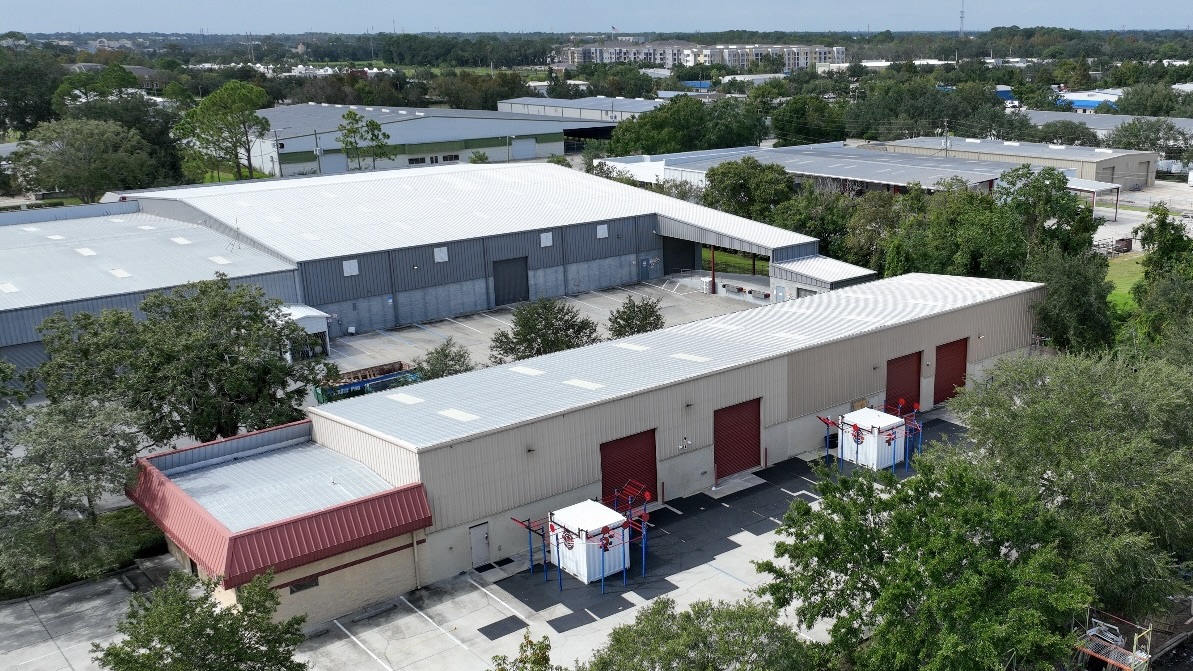
Flex space is the most variable roof in the commercial inventory, and that variability is the whole challenge. One building might hold a light-manufacturing shop in one bay, a distribution tenant in the next, and a small engineering or lab user in a third, with the mix shuffling every lease cycle. The roof has to perform across all of those uses, absorb whatever each tenant bolts to it, and keep doing so while occupancy and rooftop loads change underneath it. We service multi-tenant flex roofs across Huntsville with that churn in mind, because a roof plan that ignores tenant turnover is a roof plan that fails.
Huntsville has a deep stock of these buildings. The flex and light-industrial parks around Jetplex near the airport, the Chase Industrial corridor, and the multi-bay developments lining the Highway belts fill steadily with the contractors, suppliers, and small-footprint tech and defense firms that orbit Redstone Arsenal and Cummings Research Park. Many of those tenants need a little office, a little shop, and a roll-up door, and they cycle through space as the Arsenal-driven economy expands and contracts.
The defining issue on a multi-tenant flex roof is everything that gets added to it over the years. Each build-out tends to drop a new rooftop HVAC unit, punch the membrane for fresh electrical or refrigerant runs, and set equipment that was never in the original loading plan. Most of those modifications never make it into the property records. That is exactly why every flex scope we do opens with a penetration inventory survey before a square foot of work begins, mapping and photographing what is actually up there rather than trusting a drawing that is three tenants out of date.
Huntsville flex stock runs from 1970s tilt-wall with aging built-up roofs to modern pre-engineered metal buildings with standing-seam panels, and the right specification depends entirely on the deck and the current condition. For tilt-wall and concrete flex buildings, a 60-mil TPO mechanically attached over new polyiso is the dependable, cost-effective answer. For the pre-engineered metal buildings, a standing-seam recover or a silicone-coated metal restoration often extends service life for years without the cost and tenant disruption of a full teardown. Where a building has high equipment density or heavy multi-tenant service traffic, stepping up to 80-mil TPO or a fully adhered EPDM buys real puncture and traffic resistance.
Lease turnover is when flex roofs spring leaks. A departing tenant pulls their HVAC units, and the open curbs get capped with temporary protection that fails within a rain event or two. Drains in vacant bays clog faster because nobody is up there. Any flex inspection during a transition should confirm curb-cap status, verify that former-tenant penetrations are properly and permanently sealed, and clear the drains. We build that checklist into turnover inspections so a vacant bay is not quietly soaking the deck while it waits for the next tenant.
Multi-tenant work starts with a bay-by-bay occupancy map and a contact list from property management. We flag which tenants have live rooftop equipment, which bays sit empty, and which occupants are sensitive to noise or HVAC downtime, then sequence the work and the daily dry-in around that picture. Tenants get advance notice, but they communicate through the property manager rather than directly with the crew, which keeps the schedule clean and the chain of decisions clear.
Flex buildings are typically long, low-slope rectangles with interior drains or perimeter scuppers, and the drainage is where a lot of them quietly fail. Internal drains clog with debris from bay to bay, scuppers get blocked, and the minimal slope these roofs are built with leaves little margin once tenant equipment and added curbs interrupt the flow. Standing water over a multi-tenant flex roof magnifies every seam and penetration weakness underneath it. We clear and evaluate the full drainage path, add tapered crickets to move water around the equipment islands tenants have created, and check the parapet and coping along the long perimeter walls where wind-driven rain works behind failing edge metal. On a building this size, getting water to the drains quickly does more for service life than almost anything else we touch.
North Alabama gets hail and straight-line wind every storm season, and a wide flex roof is a large target. When a building takes damage we document it thoroughly for the insurance process, provide the photographs and condition detail an adjuster needs, and handle temporary dry-in so a tenant's space is not flooding while the claim works its way through. Warranty coordination matters on these buildings too: with multiple tenants modifying the roof over time, an undocumented penetration can void coverage on the whole system. We register warranties correctly, keep the penetration inventory current so later tenant work does not quietly break the warranty, and make sure any tenant-driven rooftop change goes in with details that keep the coverage intact. That recordkeeping is what turns a roof from a recurring expense into a managed asset.
We price flex roofing per roof square based on membrane specification, existing assembly condition, penetration density, and bay layout, with fixed-price proposals after a roof walk and a core sample where it is warranted. For investors holding several flex properties across the Huntsville market, we provide standardized condition reports built for capital planning, so a portfolio of roofs can be ranked, budgeted, and staged instead of handled one fire drill at a time. Storm-damage response and insurance documentation are part of that relationship too, since hail and wind across North Alabama find flex roofs reliably.
If you own or manage multi-tenant flex or light-industrial space anywhere from Jetplex to the Chase corridor to the Madison Boulevard parks, we can inventory the penetrations, evaluate the deck and membrane, and give you a clear repair, recover, or replacement plan, plus condition reporting you can use across a portfolio. Reach out and we will get you scheduled.
Membrane seams, fasteners, curbs, penetrations, edge metal, and drainage paths are reviewed before any repair scope is recommended.
Work windows, tenant access, equipment protection, and safety needs are considered so roof work fits the building’s operating rhythm.
Photos, notes, measurements, and priorities are organized into a roof plan that helps ownership choose the next move with less guesswork.