Roof condition
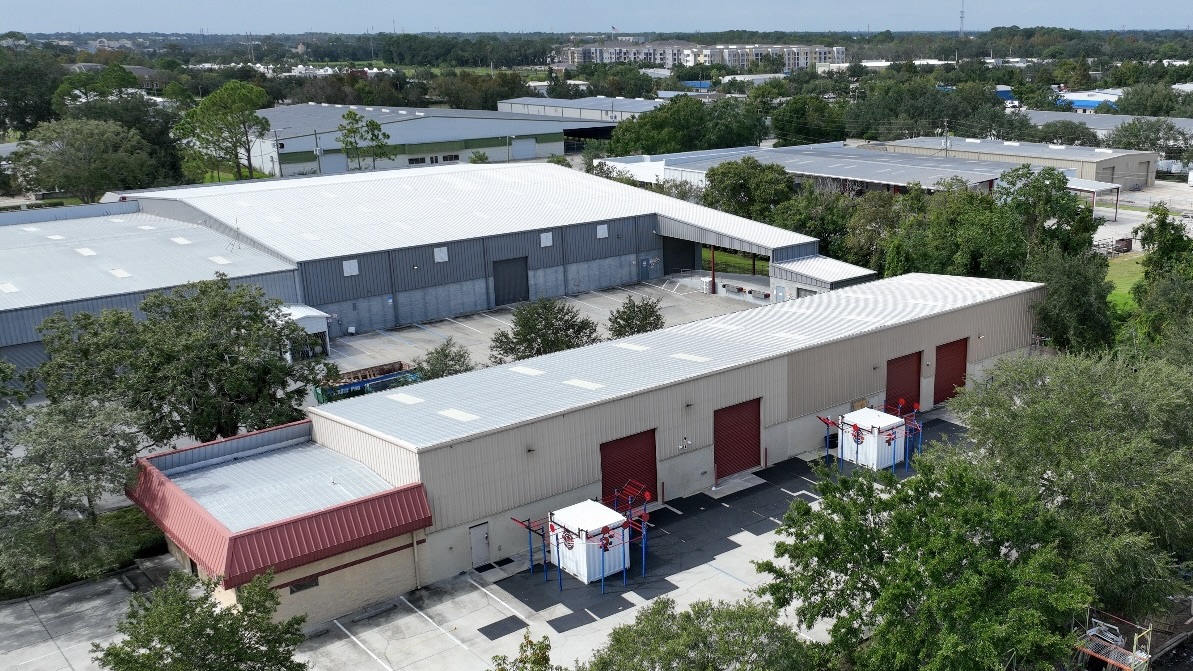
Membrane seams, fasteners, curbs, penetrations, edge metal, and drainage paths are reviewed before any repair scope is recommended.
 Request Roof Walk
Commercial Roofers of Huntsville handles mixed-use development roofing with a documented roof walk, photo notes, repair priorities, and a clear path for maintenance, recovery, or replacement.
Huntsville has spent the last decade reshaping its retail and residential core, and mixed-use is where most of that change has landed. Bridge Street Town Centre proved the appetite for combined shopping, dining, and living, and the model has since spread into downtown infill near the Von Braun Center and Big Spring Park, into MidCity off University Drive where the old mall site was redeveloped, and into denser pockets serving the workforce flowing into Cummings Research Park and Redstone Arsenal. These are not single-membrane jobs. A mixed-use building usually stacks retail at the street, parking and office in the middle, and residential on top, and each of those uses puts a different demand on the assembly beneath it.
Getting the scope right means reading the building vertically. The schedule, the mechanical load, the warranty owner, and the consequence of a leak all change as you move up the structure. A drop of water over a ground-floor restaurant is a different problem than the same drop over a leased apartment, and the roofing approach has to respect both.
The single most misunderstood element on a Huntsville mixed-use building is the podium deck, the slab that separates retail or structured parking below from occupied or landscaped space above. People want to treat it like low-slope roofing. It is not. A podium needs a traffic-bearing waterproofing assembly built to handle structural deflection, constant hydrostatic pressure in planter areas, root intrusion from landscaping, and pedestrian or even vehicle loads depending on the deck use. We specify drainage composites, root barriers, and protection layers and coordinate the insulation load path with the structural engineer. Putting an ordinary roofing membrane on a plaza or amenity deck is the wrong product in the wrong place, and it tends to fail within a few seasons.
Mixed-use is the project type where warranty coordination quietly becomes the hardest part of the job. A single building can end up with a podium waterproofing warranty, a field roof NDL warranty, a separate amenity-deck warranty, and the deck-finish manufacturer's terms all overlapping. If those are not coordinated at the submittal stage, the owner is left holding overlapping documents that point at each other when something leaks. We map the warranty boundaries before installation, register each system in the owner's name at closeout, and make sure the transitions between assemblies are detailed so no manufacturer can disclaim a seam. Lenders and developers on Huntsville projects generally expect architect-reviewed submittals, manufacturer technical approval, mock-up testing, and inspection reports, and we work inside that framework rather than around it.
By the time roofing happens on a Huntsville mixed-use property, the lower floors are usually occupied. Restaurants are serving, shops are open, and tenants are home upstairs. That changes the logistics entirely. We phase the work to keep noise, vibration, and dust away from occupied spaces, coordinate elevator and common-area access with building management, and confirm dry-in in writing at the end of each day. Downtown and MidCity sites add street-staging and crane-placement constraints because there is rarely a back lot to work from, so the staging plan gets worked out with the GC and the city before the first load arrives.
Mixed-use buildings change tenants more often than almost any commercial property, and every restaurant buildout, salon, or fitness studio that moves into a ground-floor bay tends to add rooftop equipment. A new kitchen brings grease-laden exhaust fans and makeup-air units, a coffee shop adds a condenser, a gym adds ventilation. Over a few years a roof that started clean is dotted with penetrations cut in by whoever was cheapest that month, and those uncoordinated cuts are where leaks start over occupied apartments above. We document the full penetration inventory during the roof walk, flag the ones that were never flashed to manufacturer standard, and detail the grease and exhaust penetrations specifically, since grease degrades ordinary membrane and the fix is a compatible flashing built for it. On occupied mixed-use buildings we also recommend a maintenance program so future tenant-improvement penetrations get tied into the warranty instead of quietly voiding it.
A mixed-use roof failure has more people underneath it than almost any other commercial building, which raises the stakes on weather resilience. Huntsville roofs work through humid heat, heavy rain, severe thunderstorms, hail, and tornado-season wind, and the city sits squarely in the severe-weather corridor that produced the April 27, 2011 outbreak across north Alabama. We specify edge metal, parapet coping, and membrane attachment for those wind loads, and after a storm we check perimeter metal, coping joints, drainage paths, and interior evidence so an owner can tell cosmetic marks from a real breach before it reaches the apartments below.
Why can't the plaza deck just get the same membrane as the roof? Because it carries loads a roof membrane is not built for: traffic, planter water pressure, and structural movement. A traffic-bearing waterproofing assembly is the correct system, and substituting roofing membrane there typically fails early.
How do you keep the work from disrupting our retail and residential tenants? With a phasing plan built before mobilization, dust and noise containment, coordinated elevator and access scheduling, and written daily dry-in. We do not leave a work area open overnight.
Who holds the warranties when there are several roof systems? You do. We map the warranty boundaries at submittal, register each system in the owner's name, and detail the transitions so no manufacturer can disclaim a shared seam.
Do you handle rooftop amenity decks? Yes. The waterproofing under the finish surface is installed and warrantied in coordination with the deck-finish contractor and the structural engineer, not improvised on site.
Membrane seams, fasteners, curbs, penetrations, edge metal, and drainage paths are reviewed before any repair scope is recommended.
Work windows, tenant access, equipment protection, and safety needs are considered so roof work fits the building’s operating rhythm.
Photos, notes, measurements, and priorities are organized into a roof plan that helps ownership choose the next move with less guesswork.