Roof condition
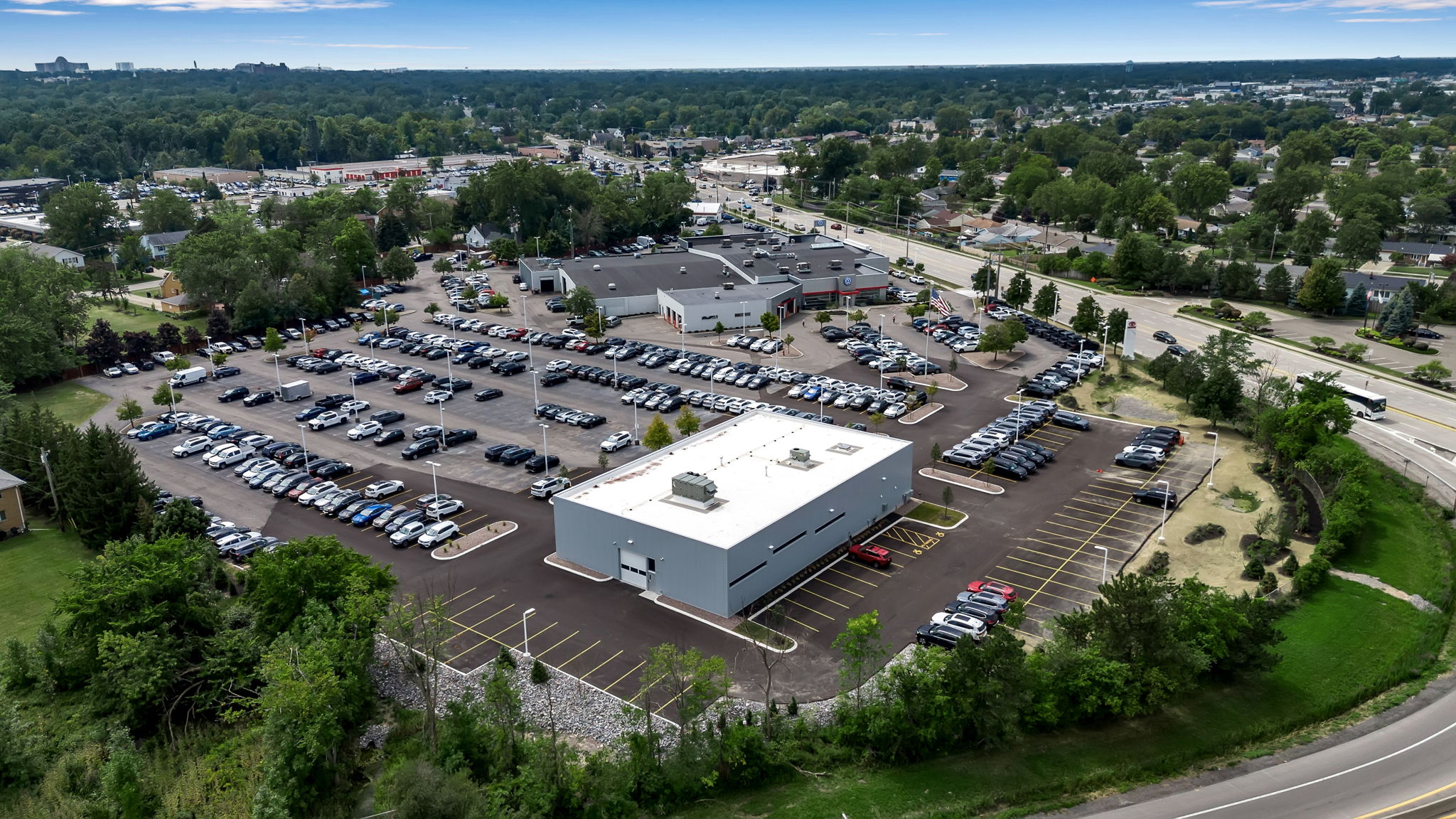
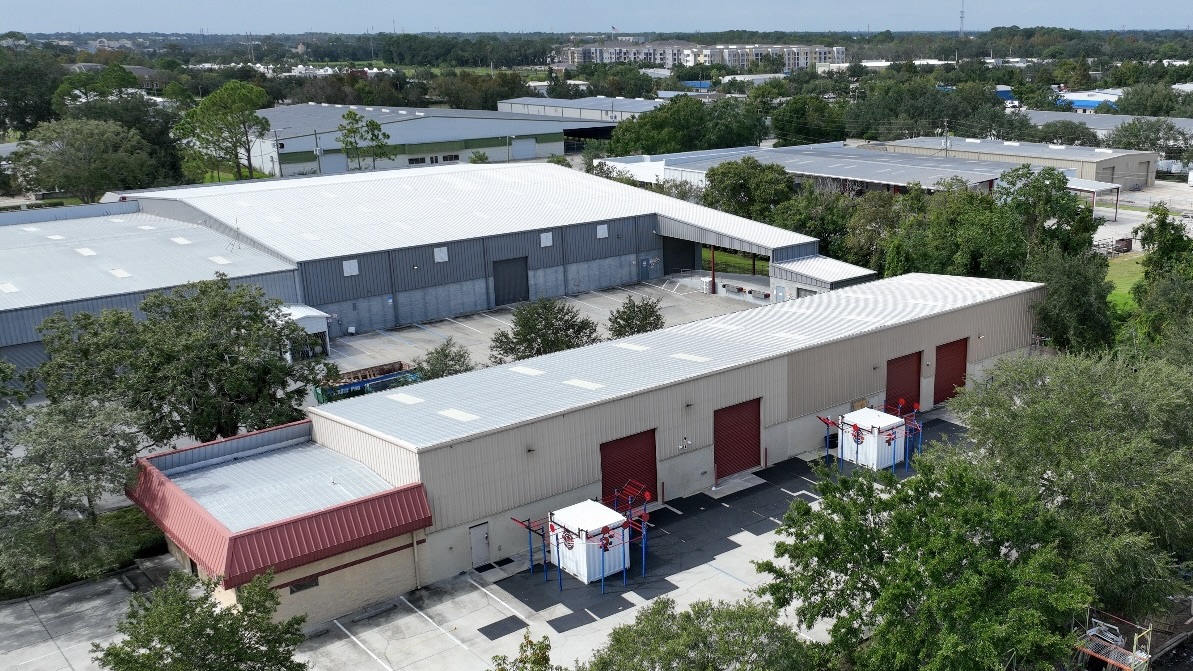
Membrane seams, fasteners, curbs, penetrations, edge metal, and drainage paths are reviewed before any repair scope is recommended.
 Request Roof Walk
Commercial Roofers of Huntsville handles pharmaceutical & lab roofing in huntsville, al | cleanroom-safe crews with a documented roof walk, photo notes, repair priorities, and a clear path for maintenance, recovery, or replacement.
A leak over a pallet of boxed inventory is an inconvenience. A leak over a stability chamber, a compounding suite, or a bank of analytical instruments is a quarantined batch, a documented deviation, and a phone call no quality manager wants to make. Pharmaceutical and lab buildings change the entire risk equation of roofing work, and that is the equation we build every Huntsville project around. The roof is not the most expensive thing under it by a wide margin, and our job is to make sure it never becomes the reason something far more valuable gets ruined.
Huntsville has grown a deep bench of exactly these buildings. The HudsonAlpha Institute for Biotechnology on the Cummings Research Park campus put serious genomics and life-science wet-lab space on the map here, and the broader research-park ecosystem around the University of Alabama in Huntsville keeps adding lab, biotech, and contract-research facilities. Add the contract manufacturers and specialty compounders scattered through the industrial corridors and you have a class of roof that demands a contractor who can work clean, work documented, and work without ever interrupting the environment below.
On a regulated site, the crew is part of the controlled environment. We treat credentialing as a real line in the schedule, not a formality. Background checks, site-specific safety orientation, escort arrangements, and any controlled-substance area clearances get started in pre-construction so the full crew is cleared before mobilization day instead of standing in a parking lot. Showing up uncredentialed on a pharma campus burns a mobilization and can register as a compliance event, and we are not going to be the reason that happens.
Pharmaceutical and lab roofs carry some of the densest mechanical layouts in commercial construction. You are flashing around the makeup-air and recirculation units that hold ISO-classified cleanrooms at pressure, the fume and process exhaust stacks, HEPA-filtered biosafety discharges, chilled-water and process piping, and a web of building-automation conduit. Each of those is an individual flashed-and-documented penetration. None of them gets the generic curb detail.
The thing that makes a cleanroom a cleanroom is air balance, and roofing work near the units that maintain it can disturb that balance if nobody is paying attention. We coordinate any penetration work near cleanroom supply or exhaust connections with the facility's MEP and quality teams, schedule it into planned HVAC windows when we can, and confirm pressure differentials recover before we consider that area closed out. We also keep tear-off debris and dust controlled so nothing migrates into the air paths feeding the classified spaces underneath.
The corrosive-exhaust problem is specific and it is real. Solvent, acid, and process vapors leaving a lab stack can condense on the stack exterior and rain a concentrated chemical drip onto the membrane in a tight radius around it. That spot attack is usually excluded from a standard warranty, so we identify the exhaust stream with the facility's engineers before we pick a membrane for that zone. In practice that pushes us toward a reinforced PVC with the chemical resistance to take it, and away from a standard TPO anywhere near aggressive solvent or acid discharge. Where ponding and chemistry both threaten a flat zone, a modified bitumen build may be the more defensible system, and we will say so.
Over an instrument lab or a chamber room there is no acceptable small leak. We design the assembly and especially the flashing to a higher bar in those areas, build in redundancy at the details, and plan our sequencing so we never leave sensitive space exposed overnight. Daily dry-in over occupied lab space is confirmed, not assumed.
Many of these buildings hold refrigerated and frozen storage for samples, reagents, vaccines, and finished product, and the roof over a controlled-temperature room behaves differently than the roof over a warm lab. The assembly has to hold thermal continuity so the cold chain stays stable, and it has to keep moisture from condensing inside the build-up where it would corrode the deck and degrade the insulation invisibly. In the Tennessee Valley climate the vapor drive runs the wrong way over a chilled space for much of the year, so we design the vapor retarder and the tapered insulation around the actual room temperature, not a generic detail. Ponding over a cold vault is doubly bad: it loads the refrigeration system and it parks standing water over the most condensation-prone assembly on the building, so we route drainage deliberately off those bays.
A storm-driven leak over a lab or a storage vault cannot wait for a routine callback. We keep an emergency contact and a temporary dry-in capability ready for these facilities, because the right move on a 2 a.m. roof breach over an instrument suite is to stop the water immediately and document the event for your quality system, then plan the permanent repair in daylight. North Alabama gets real hail and straight-line wind, and a hardened response plan is part of protecting a building where the contents are worth orders of magnitude more than the roof. We coordinate that response inside your access and safety protocols so an emergency does not become a second compliance problem on top of the first.
Regulated facilities close out differently than a strip center. We come prepared with contractor qualification records, the site-specific safety plan, material submittals for your engineer's review, daily work reports, manufacturer installation documentation, FM or UL system certification where the spec calls for it, and registered warranty paperwork. We will submit it through your document-control process in the format your quality team needs rather than handing over a folder and walking away.
Whether you run wet-lab research in Cummings Research Park, a biotech build-out near HudsonAlpha, or a compounding or contract-manufacturing operation in the Huntsville industrial belt, we can assess the roof without disturbing the work happening below it and give you a plan that respects both the building envelope and the regulated environment it protects. Get in touch and we will set up a walk.
Membrane seams, fasteners, curbs, penetrations, edge metal, and drainage paths are reviewed before any repair scope is recommended.
Work windows, tenant access, equipment protection, and safety needs are considered so roof work fits the building’s operating rhythm.
Photos, notes, measurements, and priorities are organized into a roof plan that helps ownership choose the next move with less guesswork.