Roof condition
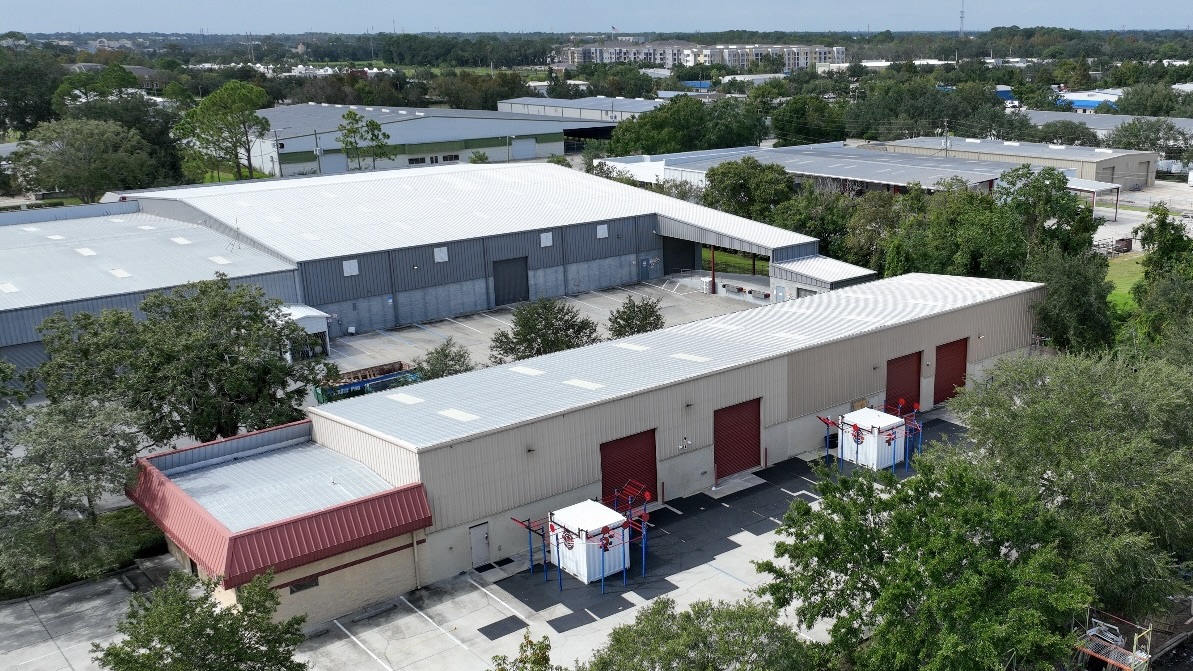
Membrane seams, fasteners, curbs, penetrations, edge metal, and drainage paths are reviewed before any repair scope is recommended.
 Request Roof Walk
Commercial Roofers of Huntsville handles sports & recreation facility roofing with a documented roof walk, photo notes, repair priorities, and a clear path for maintenance, recovery, or replacement.
Sports and recreation facilities are defined by three things that make roofing them harder than a comparable warehouse: roof decks that span far without interior support, interior humidity loads that swing hard during use, and a programming calendar that fills exactly the evenings, weekends, and holidays when most contractors would rather not work. Huntsville has a deep base of these buildings, from the municipal recreation and aquatic centers the city operates, to school and university gymnasiums, to private clubs and indoor sports complexes that have followed the residential growth out toward Madison and Hampton Cove. The Von Braun Center anchors the large-venue end of that spectrum downtown near Big Spring Park. Each of these buildings needs a roofing approach grounded in its actual occupancy, not a generic commercial template.
The demand here is steady and growing. A metro adding population as fast as Huntsville builds and renovates recreation infrastructure to keep up, and the public-sector facilities tied to the city, the county, and the school systems cycle through reroofs on their own capital schedules. We work across that whole range and scope each one to how it is used.
A gymnasium or arena roof often spans well past eighty feet with no columns underneath, and that long-span steel deck deflects and loads differently than a short-span roof. The fastening cannot be carried over from a smaller building. We run the structural deck evaluation and the fastener pull-out calculation for the actual span and deck type, because steel deck at an eighty-foot span needs different attachment than the same deck at thirty feet. A 60-mil or 80-mil single-ply membrane mechanically attached over polyiso is the usual reroof for these long-span gyms, but the attachment design behind it is what determines whether it survives the wind loads a big flat roof generates.
An indoor pool is brutal on a roof, and the culprit is chloramine. When chlorine reacts with organic matter swimmers bring into the water, it releases chloramine gas, which rises and corrodes ordinary metal flashing, aluminum edge metal, and some membrane adhesives from the inside out. A natatorium roof specified like a dry gym will fail at the metal long before the membrane field gives out. For pool halls we specify stainless steel or copper flashing in the areas chloramine reaches, confirm membrane and adhesive compatibility against the manufacturer's chemical-resistance data, and look hard at whether the ventilation actually exhausts the gas to the exterior rather than recirculating it above the pool. Alongside the chloramine, the sheer humidity of a natatorium drives the same vapor problem we manage in gyms, so the vapor retarder position gets verified before any recover decision.
Recreation facilities are busiest when other buildings are empty. Leagues, swim teams, tournaments, and open gym hours fill nights and weekends, so we build the work schedule from the facility's programming calendar rather than fighting it. Gym and arena roof work is generally concentrated in weekday daytime hours with dry-in confirmed before evening programming begins, and for aquatic centers any exhaust or HVAC penetration work that could temporarily affect air exchange above the pool is coordinated with the pool operations team so air quality stays within state health standards for indoor swimming facilities. The goal is a reroof that the league schedule never has to bend around.
A gymnasium or arena roof does more than keep water out. It manages sound and temperature over a space that can hold hundreds of people and generate a lot of both. Long-span recreation roofs are part of the building's acoustic and thermal envelope, and a reroof is the moment to get the insulation right for an enormous open volume that is expensive to heat and cool. We look at the existing insulation value and the deck condition together, because adding the membrane back over wet or compressed insulation wastes the energy investment the owner is trying to protect. These roofs also carry heavy rooftop equipment, the large air handlers and exhaust fans needed to move air through a high-occupancy space, and the vibration from that equipment works fasteners loose over time. We document every curb and set the attachment pattern with that ongoing movement in mind, and we raise undersized curbs to the height the membrane warranty requires rather than flashing around a curb that was never tall enough.
A large share of these buildings are public: city recreation centers, county facilities, and school gymnasiums. That brings public-bid advertising, bid bonds, performance and payment bonds, and prevailing-wage compliance where applicable, and we carry the bonds and insurance to work within those requirements. Private clubs and entertainment venues run a different procurement path but often have equally tight calendars driven by memberships and events. Across all of them, weather drives the maintenance side. Huntsville sits in the severe-weather corridor underscored by the historic April 27, 2011 tornado outbreak across north Alabama, and the large flat expanses on these roofs catch hail and wind hard. After storms we check coping joints, perimeter metal, membrane bruising, displaced panels, and drainage so an owner can tell cosmetic marks from urgent damage over a packed gym or pool.
What roof works best over a big clear-span gym? Typically a 60-mil or 80-mil single-ply membrane mechanically attached over polyiso, with the attachment engineered to the real deck and span. The structural and fastener evaluation is part of the scope.
Why does our pool building corrode flashing so fast? Chloramine gas from the pool attacks ordinary metal and some adhesives. We specify stainless or copper flashing where the gas reaches and confirm membrane and adhesive compatibility for pool-hall conditions.
Can you work around our leagues and swim schedule? Yes. We build the schedule from your programming calendar, concentrate gym work in weekday daytime hours, and coordinate any pool-area HVAC work with your operations team.
Do you handle public bid and bonding requirements? Yes. We carry the bonds and insurance for public work and have experience with the bid, prevailing-wage, and documentation requirements municipal and school facility contracts carry.
Membrane seams, fasteners, curbs, penetrations, edge metal, and drainage paths are reviewed before any repair scope is recommended.
Work windows, tenant access, equipment protection, and safety needs are considered so roof work fits the building’s operating rhythm.
Photos, notes, measurements, and priorities are organized into a roof plan that helps ownership choose the next move with less guesswork.