Roof condition
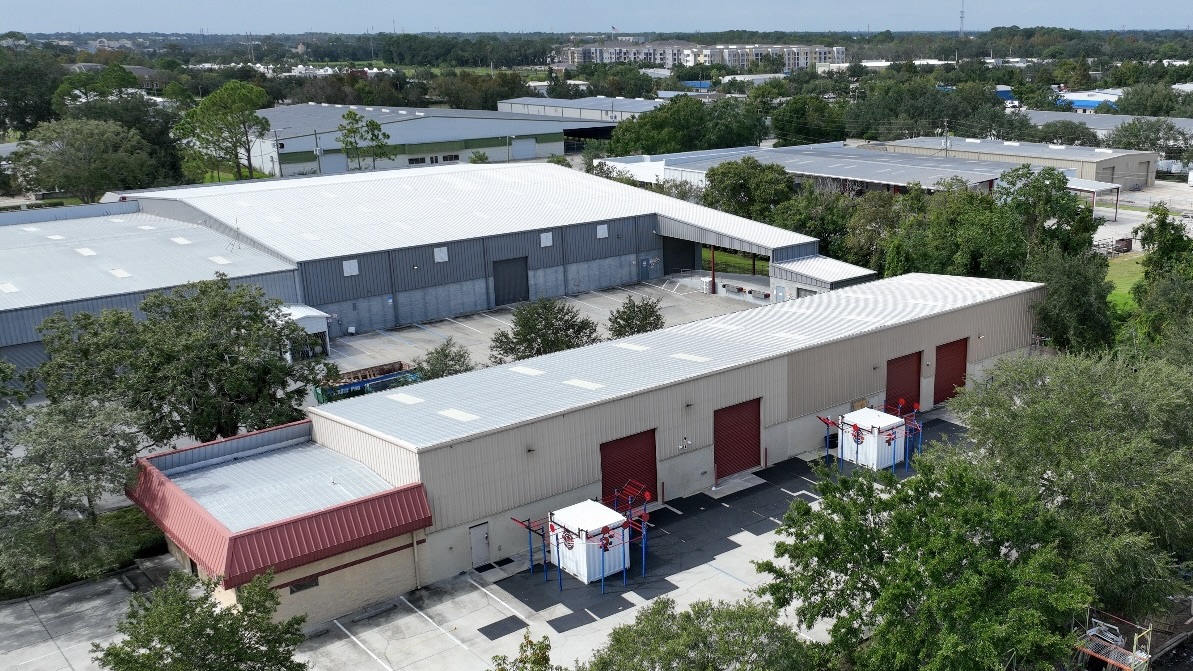
Membrane seams, fasteners, curbs, penetrations, edge metal, and drainage paths are reviewed before any repair scope is recommended.
 Request Roof Walk
Commercial Roofers of Huntsville handles stadium & arena roofing with a documented roof walk, photo notes, repair priorities, and a clear path for maintenance, recovery, or replacement.
Huntsville's commercial market is powered by the Redstone Arsenal and Research Park at the University of Alabama in Huntsville, with significant commercial activity along the US- commercial belt. Stadium and arena structures in this market operate on packed event calendars — professional sports, concerts, graduations, and community events — that compress available roofing windows to a handful of confirmed dark periods per year, requiring a project plan based on the booking calendar before the contract is written.
Local Roof Context For Higher Education Roofing, the Huntsville/Madison County Chamber lists the City of Huntsville, Huntsville Utilities, Madison County, Huntsville Hospital, and Regions among its investor groups.
Stadium and arena roofing in Huntsville begins with one question before anything else: when can you work? A facility with a professional sports anchor tenant, a concert booking calendar, and graduation season commitments may have fewer confirmed dark windows per year than a contractor can count on both hands. We audit the full booking calendar before we write a single line of scope. The phased work plan is built to the calendar — not submitted to the facility after the proposal is signed and then negotiated backward into something that works.
Each phase of a stadium re-roofing project in Huntsville is designed to reach a hard weather-protection milestone before the next event window opens. That milestone isn't "substantially complete" — it means fully watertight membrane, all seam laps sealed, all drain terminations completed, and all temporary protection removed. Our contracts include event-protection milestones as schedule checkpoints with defined crew-addition triggers if a phase is running behind. We don't ask for extensions when an event is on the calendar.
The supporting structures on a stadium campus — press boxes, broadcast areas, concourse roofs, dugout and tunnel covers, suite-level roofs, and loading dock canopies — each carry different structural characteristics and different operational sensitivities than the main roof. Press box roofs interface with broadcast cable penetrations and climate-controlled production areas. Concourse roofs shelter public circulation routes that may remain active even when the main bowl is dark. We scope each zone individually and sequence their phases to maintain maximum facility functionality throughout construction in Huntsville.
We start with the venue's confirmed booking calendar and identify every available dark window — periods with no events, load-in, or load-out activity. Each phase of work is sized to fit within a confirmed dark window and close out watertight before the next event. If the calendar changes after construction starts, we adjust phasing within our existing resource plan or bring in additional crew to protect the event date.
New bookings after contract execution are handled through our change-management protocol — we review the impact on the current phase schedule, adjust crew and material staging to close out the affected section before the event, and document the schedule impact in writing. Events that are reasonably foreseeable at contract time are the venue's responsibility to disclose; surprise bookings that fundamentally change the phasing are addressed through a schedule change order.
Yes. We maintain the ability to add shifts and crews at any phase of a stadium project. When an event date moves up or a weather delay puts a phase at risk, we authorize overtime and weekend shifts before the phase falls behind — not after. The cost of acceleration on a phase is typically far less than the cost of a missed event deadline.
An event-protection milestone is a contract checkpoint — a defined date by which a specific section of the roof must be fully watertight, regardless of other construction conditions. It differs from a standard substantial completion date because it has a harder consequence: if the milestone is missed, we add crew and absorb the cost. The milestone is written into the contract before signing, not added as a verbal commitment.
At the end of every work session, all open membrane laps are sealed with temporary cover strips, all debris is removed from the roof surface, and a supervisor walks the entire day's work zone to confirm watertight conditions before the crew leaves. The facility operations contact receives a written daily closeout confirmation. Nothing is left open overnight on a stadium roof.
Membrane seams, fasteners, curbs, penetrations, edge metal, and drainage paths are reviewed before any repair scope is recommended.
Work windows, tenant access, equipment protection, and safety needs are considered so roof work fits the building’s operating rhythm.
Photos, notes, measurements, and priorities are organized into a roof plan that helps ownership choose the next move with less guesswork.