Roof condition
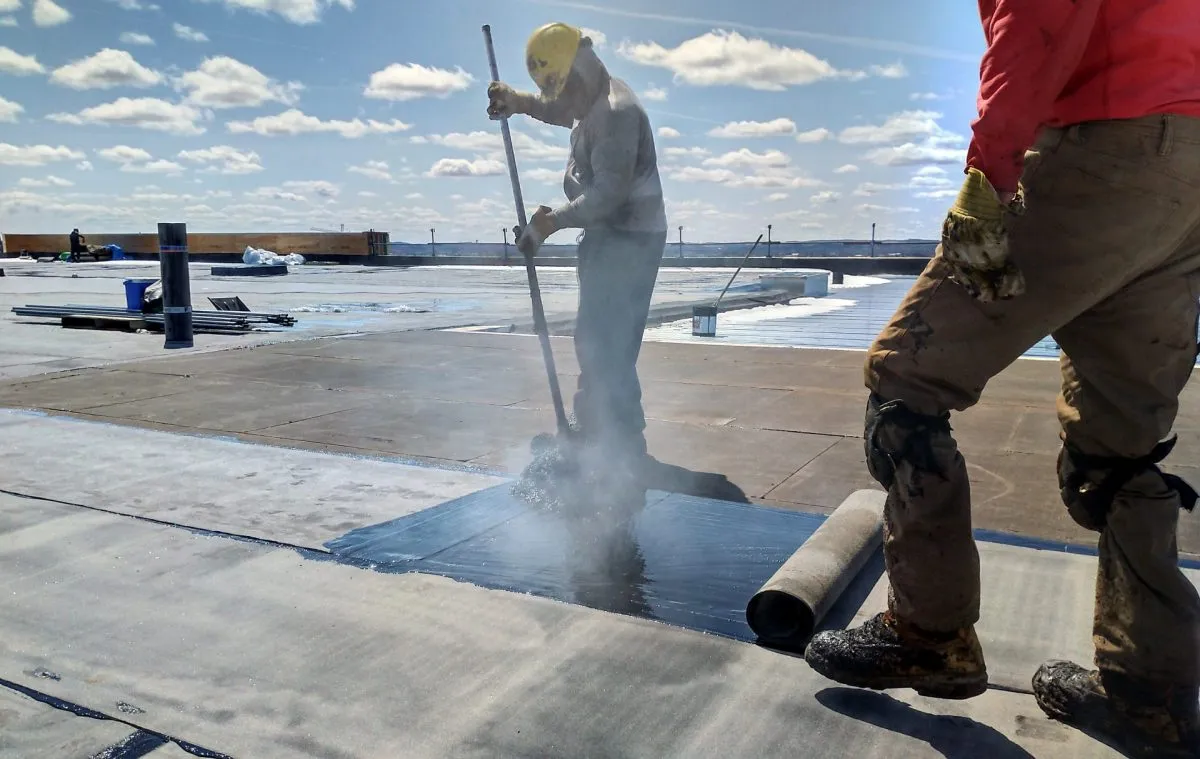
Membrane seams, fasteners, curbs, penetrations, edge metal, and drainage paths are reviewed before any repair scope is recommended.
 Request Roof Walk
Commercial Roofers of Huntsville handles government and municipal building roofing with a documented roof walk, photo notes, repair priorities, and a clear path for maintenance, recovery, or replacement.
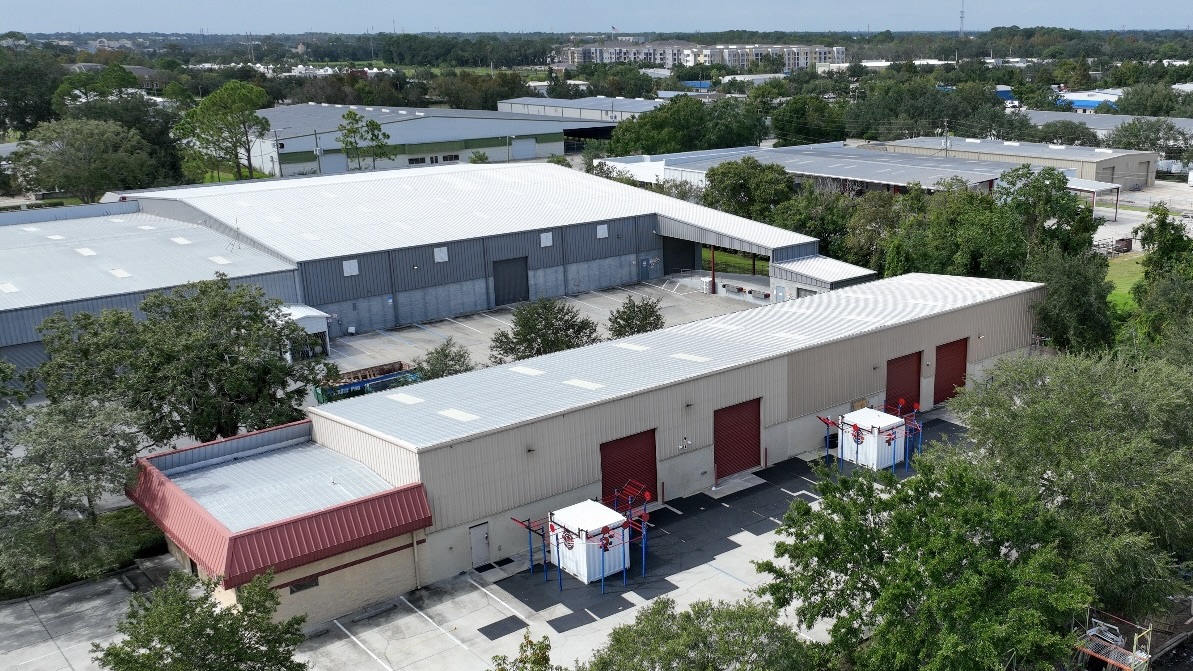
The roof below Government and Municipal Building Roofing carries tenants, freight, staff, equipment, research space, and business interruption risk. We start Government and Municipal Building Roofing by asking for roof age, leak locations, prior reports, access rules, tenant limits, and the event that made the roof question urgent. Government and Municipal Building Roofing is tied to membrane condition, drainage, deck and edge detailing, and repair-versus-replacement decisions, so the scope has to be written for the buyer's operating risk rather than for a generic product list. Our first job on Government and Municipal Building Roofing is to separate emergency protection from capital planning so a wet ceiling tile does not turn into a rushed replacement and an aging roof does not get patched without checking deck, insulation, drainage, and edge conditions.
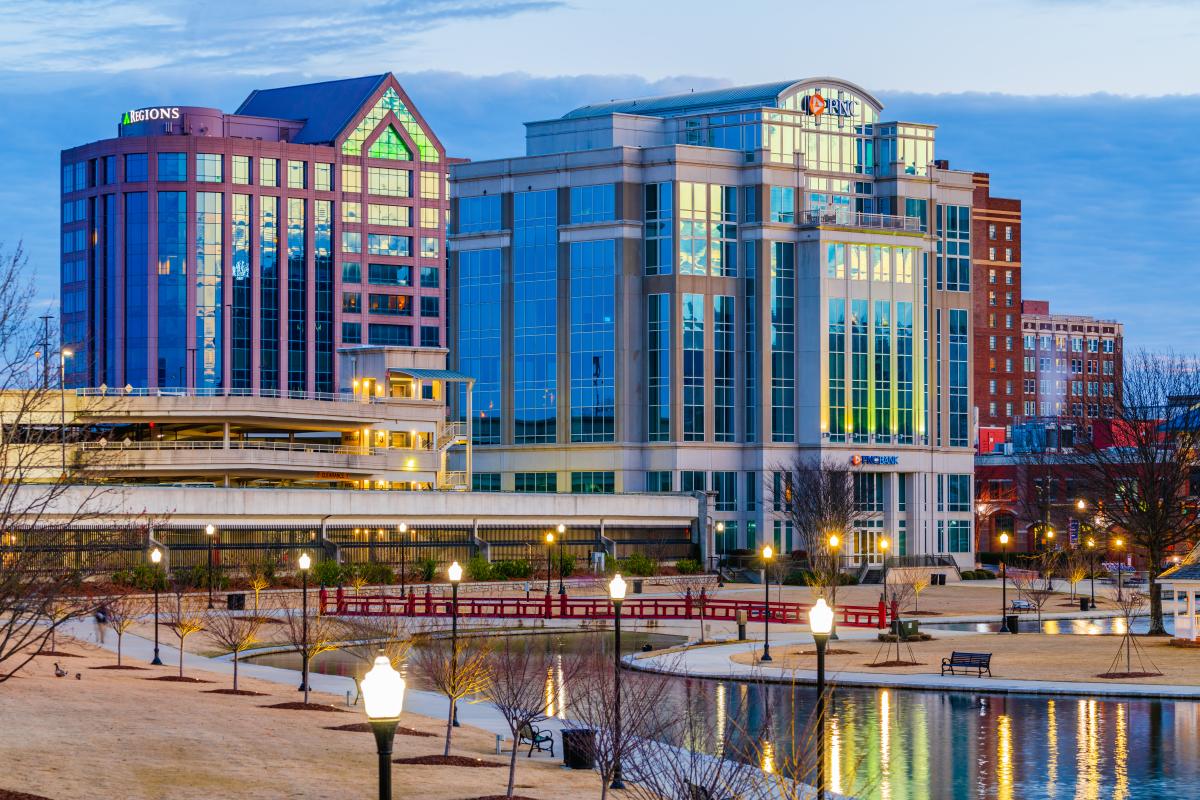
Huntsville occupies a unique position among Alabama's municipalities: a mid-sized city with a federal research and defense footprint that rivals much larger metros, and a public building inventory that spans the spectrum from the historic Madison County Courthouse on the downtown square to the sprawling facilities of the Redstone Arsenal installation and the offices of major federal defense contractors. For the purposes of city and county municipal roofing, the primary public clients are the City of Huntsville's Facilities Management Division, Madison County's Construction Services Department, and the Huntsville City School System, which manages dozens of campuses with aging roof systems throughout the city's rapidly expanding footprint. Alabama's public works law under Title 39 of the Code of Alabama establishes competitive bidding requirements and mandates that all contractors performing public works obtain a license from the Alabama Licensing Board for General Contractors before work can begin.
Huntsville's climate presents roofing challenges that are often underestimated by contractors more familiar with the Gulf Coast or the northern states. The city sits in the Tennessee Valley and receives approximately 55 inches of annual precipitation, much of it from winter frontal storms and spring severe weather events that routinely produce damaging hail and high winds. The April 2011 tornado outbreak caused catastrophic damage to numerous public buildings in Madison County, and the subsequent rebuilding program, which involved reroofing dozens of school buildings, fire stations, and community centers over a four-year period, established a generation of roofing contractors in the Huntsville market with deep experience in insurance-driven public facility repair scoping. Today's Huntsville public building specifications reflect lessons from that rebuilding cycle, including the widespread adoption of hail-rated membranes and enhanced fastener patterns in areas subject to high wind exposure per ASCE 7 maps.
The City of Huntsville's Facilities Management Division publishes its capital improvement project pipeline through the city's annual budget document, which is presented to the City Council each fall and made publicly available on the city's website. Upcoming roofing replacement projects are typically listed under the Facilities Maintenance capital fund with estimated budget amounts and anticipated bid dates. Contractors who monitor this document can identify multi-year roofing replacement programs, such as the ongoing effort to replace original built-up roof systems at city fire stations constructed between 1965 and 1985, and can time their bonding capacity and material commitments to align with projected bid dates. The Facilities division favors contractors who have attended pre-bid walkthroughs on at least two prior City projects, as familiarity with the City's administrative process reduces the volume of RFIs during construction.
Historic preservation requirements affect Huntsville municipal roofing work at a level of detail that surprises contractors new to the market. The Twickenham Historic District, one of the largest antebellum residential districts in the Southeast, is immediately adjacent to the municipal core, and several buildings on the city's register of historic properties are either city-owned or located on publicly accessible grounds. The Weeden House Museum on Gates Avenue and the Harrison Brothers Hardware store on the downtown square are examples of historically significant structures where any roofing scope of work requires Section 106 review coordination with the Alabama Historical Commission. The City's Planning Department maintains a list of all locally designated landmarks subject to design review, and contractors should request this list before preparing a scope of work on any downtown or historic district facility.
Huntsville's fire station roofing program is administered through the Facilities Management Division with scheduling oversight from the Fire & Rescue Services Department. The city has grown dramatically over the past decade through annexation of formerly unincorporated areas in Madison County, and several newly annexed fire stations built to county standards are now subject to city procurement and specification requirements for the first time. This transition has occasionally produced gaps in as-built documentation and warranty records for recently annexed stations, requiring contractors to perform more extensive pre-bid investigations to establish existing conditions before submitting a scope of work. The City's standard pre-bid investigation form requires documentation of membrane type, age, insulation type and thickness, deck material, and existing drainage patterns for all facilities where condition documentation is incomplete.
Bond requirements for Huntsville public roofing work follow Alabama's public works statute, which requires performance and payment bonds at 100 percent of the contract value for all projects exceeding $50,000. The surety must be licensed to write surety bonds in Alabama and must hold a Certificate of Authority from the Alabama Department of Insurance. Projects on Huntsville Utilities facilities, which include the electrical, water, and gas utility operations maintained by the city-owned utility authority, follow a separate procurement process that includes additional bonding and insurance requirements specific to utility infrastructure projects. Contractors who work regularly in the Huntsville market often maintain separate qualifying project lists and insurance certificates formatted for City facilities, Huntsville Utilities, and Madison County, as each entity has distinct administrative requirements that cannot be satisfied by a generic submission.
Membrane seams, fasteners, curbs, penetrations, edge metal, and drainage paths are reviewed before any repair scope is recommended.
Work windows, tenant access, equipment protection, and safety needs are considered so roof work fits the building’s operating rhythm.
Photos, notes, measurements, and priorities are organized into a roof plan that helps ownership choose the next move with less guesswork.