Roof condition
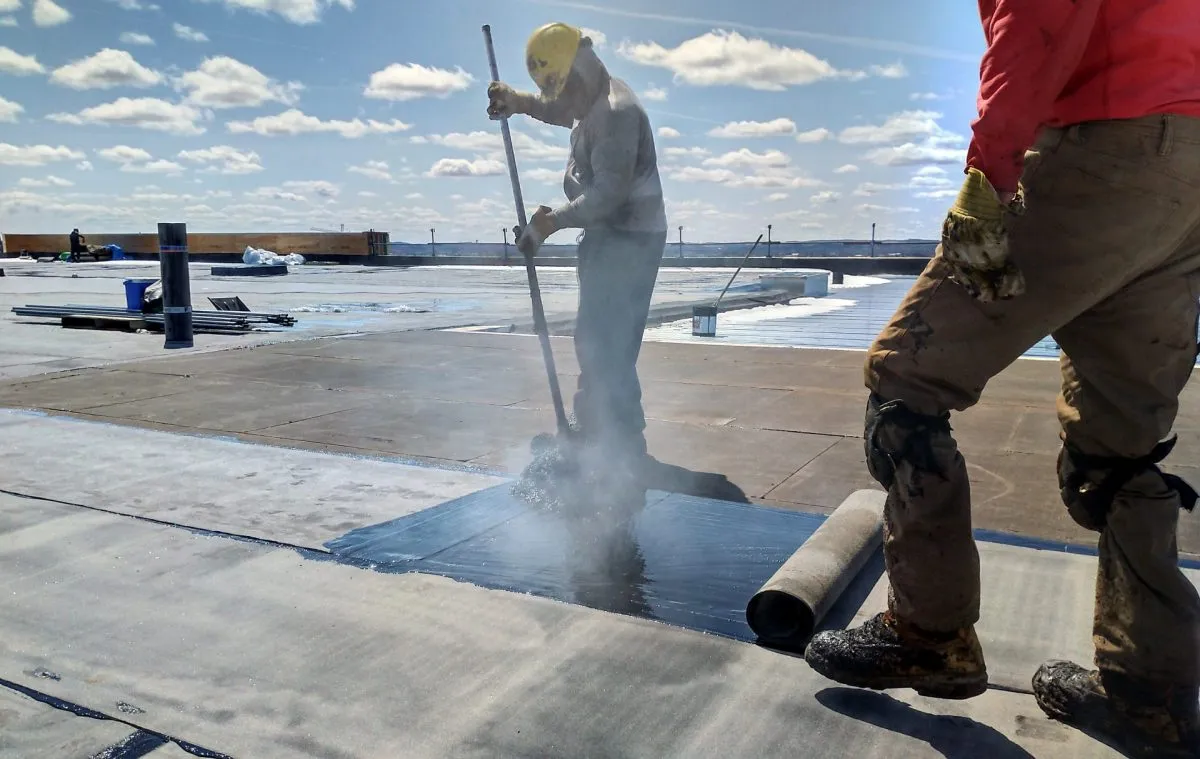
Membrane seams, fasteners, curbs, penetrations, edge metal, and drainage paths are reviewed before any repair scope is recommended.
 Request Roof Walk
Commercial Roofers of Huntsville handles hotel and hospitality property roofing with a documented roof walk, photo notes, repair priorities, and a clear path for maintenance, recovery, or replacement.
The roof below Hotel and Hospitality Property Roofing carries tenants, freight, staff, equipment, research space, and business interruption risk. We start Hotel and Hospitality Property Roofing by asking for roof age, leak locations, prior reports, access rules, tenant limits, and the event that made the roof question urgent. Hotel and Hospitality Property Roofing is tied to membrane condition, drainage, deck and edge detailing, and repair-versus-replacement decisions, so the scope has to be written for the buyer's operating risk rather than for a generic product list. Our first job on Hotel and Hospitality Property Roofing is to separate emergency protection from capital planning so a wet ceiling tile does not turn into a rushed replacement and an aging roof does not get patched without checking deck, insulation, drainage, and edge conditions.
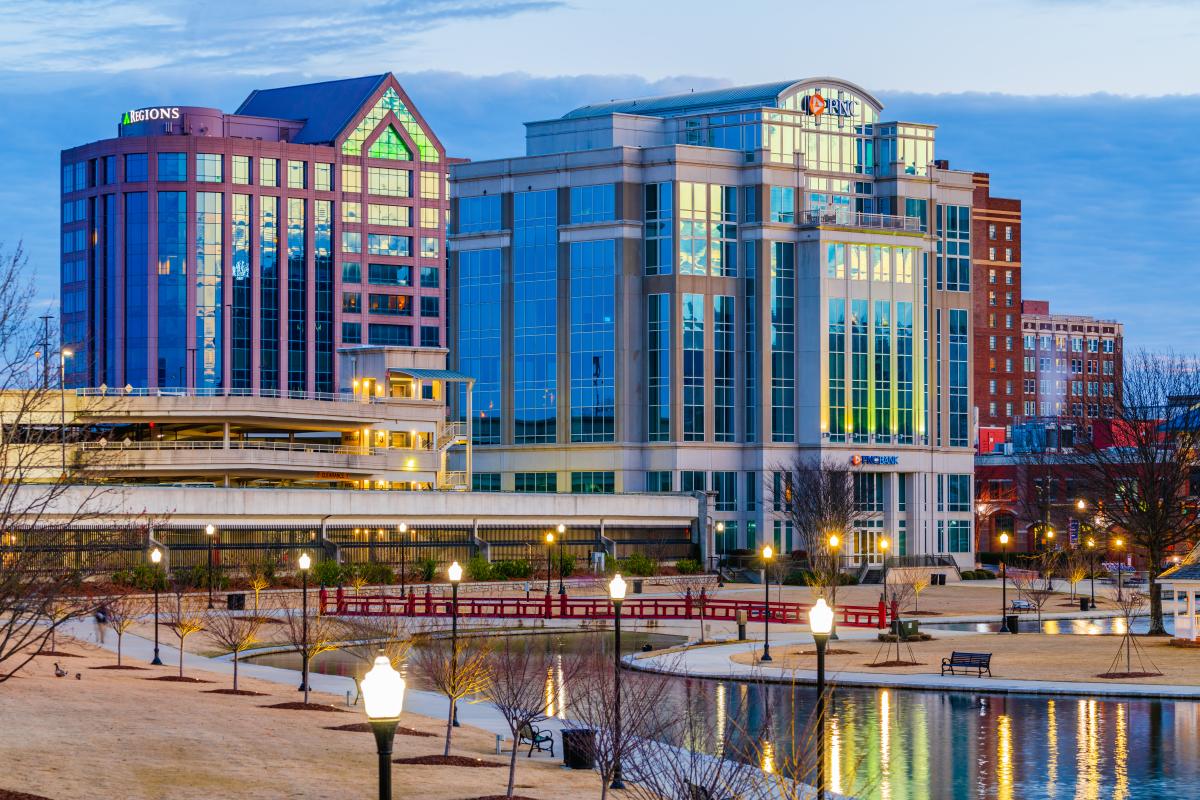
Huntsville's transformation from a mid-size Alabama city into one of the fastest-growing aerospace and defense employment centers in the country has produced a hospitality market that few observers outside the region fully appreciate. The Redstone Arsenal complex, the NASA Marshall Space Flight Center, and the growing cohort of defense contractors headlined by Boeing, Lockheed Martin, and Northrop Grumman have created a sustained corporate travel base that fills hotels along University Drive, Research Park Boulevard, and the Bridge Street Town Centre district at rates that outpace most comparable Southern metro areas. Those hotels carry roofs that must survive Alabama's demanding weather — summer heat indices above one hundred and ten degrees, severe spring tornado weather, and occasional winter ice storms — while supporting increasingly sophisticated rooftop mechanical systems demanded by modern franchise brands.
The defense contractor workforce in Huntsville includes a high proportion of engineers and technical professionals who stay in extended-stay properties for months at a time during program development cycles. TownePlace Suites, Candlewood Suites, and Homewood Suites along the Research Park corridor maintain occupancy levels that would be the envy of leisure market hotels, and those guests' extended stays make them particularly sensitive to the quality of their room environment. A ceiling stain from a slow roof leak is noticed and documented by a guest on day three of a four-month stay in a way that it simply is not by a two-night business traveler. Extended-stay operators in Huntsville have responded by adopting proactive infrared moisture surveying as a standard component of annual roof maintenance, allowing them to find and fix saturation before it reaches guest-facing spaces.
Huntsville's position in the Tennessee Valley creates a severe weather pattern that directly challenges hotel roof performance. Spring tornado outbreaks in North Alabama can produce hail up to golf-ball size that destroys TPO and EPDM membranes across entire roof sections in minutes, and the rotation that precedes a tornado can generate wind uplift forces that peel improperly fastened perimeter metal in large sections. Hotels that invested in enhanced perimeter metal with increased fastener density and sealed laps after the April 2011 tornado outbreak have documented far better performance in subsequent storm events. Maintaining a relationship with an insurance roofing adjuster familiar with commercial hotel assemblies is equally important — inadequate claims documentation after hail events consistently results in settlement offers that fall short of actual replacement costs.
The Huntsville hotel market's growth has produced a wave of new full-service and upper-select-service construction along the US- corridors, with brands including Autograph Collection, AC Hotels, and Embassy Suites entering the market within a compressed timeframe. These newer properties carry modern low-slope roof assemblies with high-reflectance TPO membranes, current energy code insulation values, and rooftop solar-ready conduit infrastructure. Their presence has raised the competitive bar for existing hotels pursuing franchise renewals, which means that older properties facing PIP cycles are increasingly being required to bring roofing assemblies up to energy performance standards that match the new-construction competition, not merely to replace worn membranes with equivalent specifications.
Pool deck roofing and waterproofing at Huntsville's full-service properties demands particular attention because many of the hospitality zone developments along Research Park Boulevard include indoor-outdoor pool configurations that are architecturally integrated into the main building structure. Water features that are connected to the primary roof assembly through shared drainage systems create leak investigation complexity that straightforward flat-roof work does not. When a pool area experiences water intrusion at an interior wall, the source could be the pool deck waterproofing, the adjacent roof membrane transition, the pool basin itself, or the plumbing connections beneath the deck slab. Diagnostic work that correctly sequences probe testing before any remediation begins saves owners from the common and expensive mistake of replacing one assembly only to discover the source was elsewhere.
Franchise brand PIP requirements in Huntsville have grown increasingly specific about roofing assembly documentation, in part because the market's rapid growth has brought in several out-of-state ownership groups who are less familiar with Alabama's climate demands. Brand representatives conducting QA inspections on Huntsville properties now routinely request warranty certificates with manufacturer contact information, drain cleaning log documentation, and evidence of independent inspections performed by parties other than the installing contractor. Owners who maintain organized roofing files — including original installation specifications, warranty documents, and annual inspection reports — navigate these PIP processes significantly faster than those who must reconstruct records from scattered sources.
Huntsville's summer conditions create a specific challenge for hotel rooftop HVAC systems that translates into roofing maintenance demands. The combination of high ambient temperatures and the significant equipment density on hotel roofs — large chiller units for convention spaces, laundry exhaust fans, kitchen ventilation — creates concentrated thermal zones where the membrane surface between equipment curbs sees dramatically different temperature cycling than exposed roof fields. Flashing systems at equipment curbs must accommodate this differential movement through appropriate use of expansion joints and flexible boot materials. Hotels that use rigid sealants in these locations without movement-accommodation features will see flashing failures in that zone first, typically within five to seven years of installation.
The US Space and Rocket Center draws substantial leisure tourism to Huntsville, particularly during summer family travel season and the Space Camp sessions that run from spring through fall. Full-service properties near the museum district along Sparkman Drive see occupancy spikes during these periods that overlap precisely with the summer thunderstorm season. An emergency roof repair call during a family travel peak weekend cannot wait for Monday morning crew mobilization — the hotel's family audience is the most review-active demographic in the hospitality market, and a water intrusion incident during a child's Space Camp stay will generate detailed negative reviews with photographs that persist in the OTA ecosystem for years. Emergency service agreements that guarantee four-hour response times year-round are not optional for Huntsville full-service operators.
Preventive maintenance programs for Huntsville hotel roofs benefit from a schedule focused on the local severe weather calendar. A January inspection documents any ice storm damage from the limited but impactful winter ice events that North Alabama experiences every few years. An April inspection after the peak tornado and hail season assesses membrane integrity and perimeter metal condition before summer heat accelerates any damage. A September inspection closes out summer heat stress assessment and prepares drainage systems for fall rain before the winter dormant period begins. Hotels that combine this three-visit annual schedule with infrared moisture surveys every three years have the best documented track record of extended membrane service life in the Huntsville commercial property market.
Membrane seams, fasteners, curbs, penetrations, edge metal, and drainage paths are reviewed before any repair scope is recommended.
Work windows, tenant access, equipment protection, and safety needs are considered so roof work fits the building’s operating rhythm.
Photos, notes, measurements, and priorities are organized into a roof plan that helps ownership choose the next move with less guesswork.