Roof condition
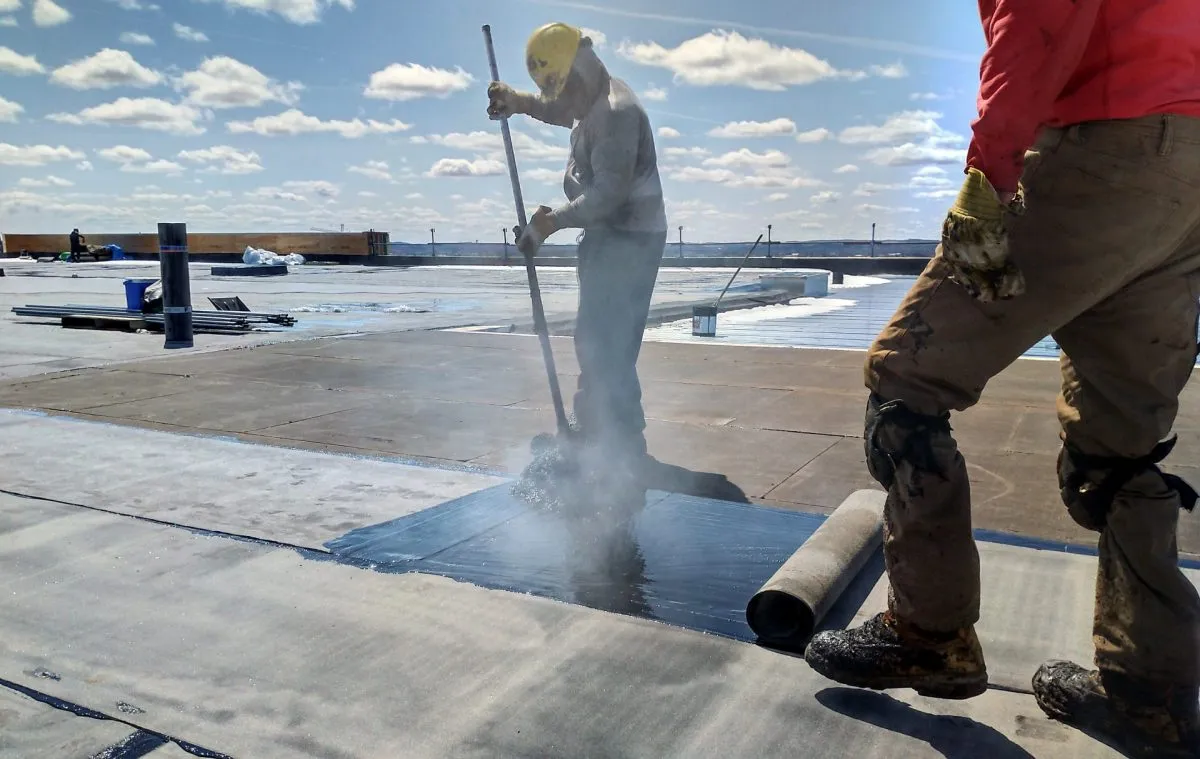
Membrane seams, fasteners, curbs, penetrations, edge metal, and drainage paths are reviewed before any repair scope is recommended.
 Request Roof Walk
Commercial Roofers of Huntsville handles industrial roofing with a documented roof walk, photo notes, repair priorities, and a clear path for maintenance, recovery, or replacement.
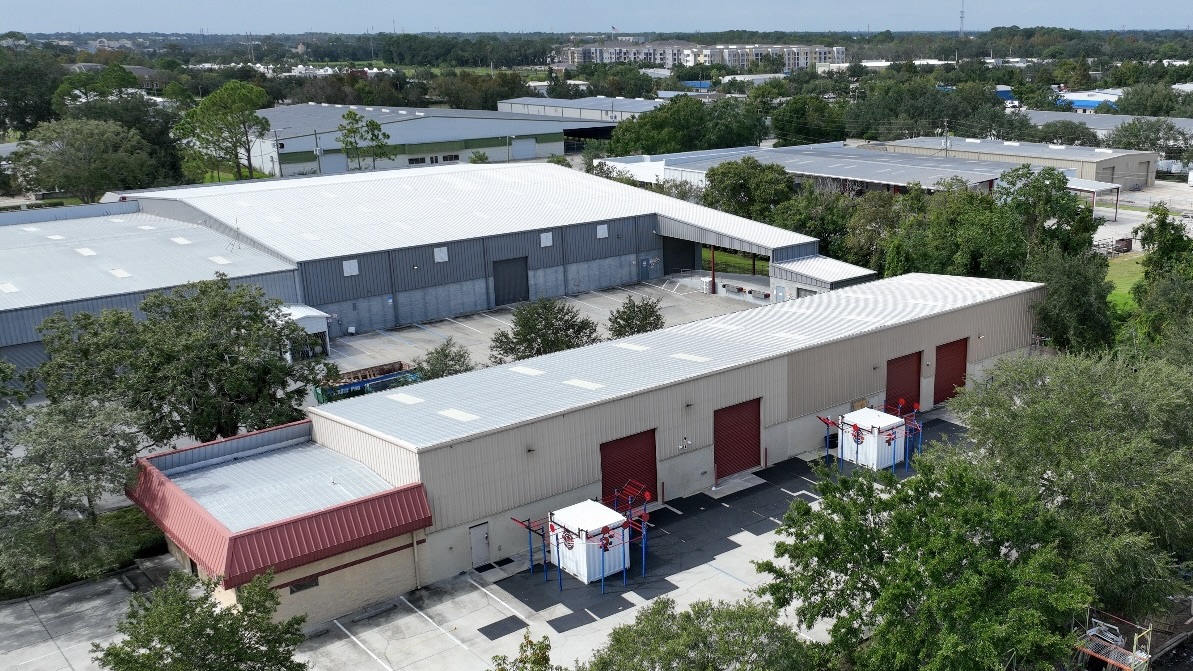
The roof below Industrial Roofing carries tenants, freight, staff, equipment, research space, and business interruption risk. We start Industrial Roofing by asking for roof age, leak locations, prior reports, access rules, tenant limits, and the event that made the roof question urgent. Industrial Roofing is tied to membrane condition, drainage, deck and edge detailing, and repair-versus-replacement decisions, so the scope has to be written for the buyer's operating risk rather than for a generic product list. Our first job on Industrial Roofing is to separate emergency protection from capital planning so a wet ceiling tile does not turn into a rushed replacement and an aging roof does not get patched without checking deck, insulation, drainage, and edge conditions.
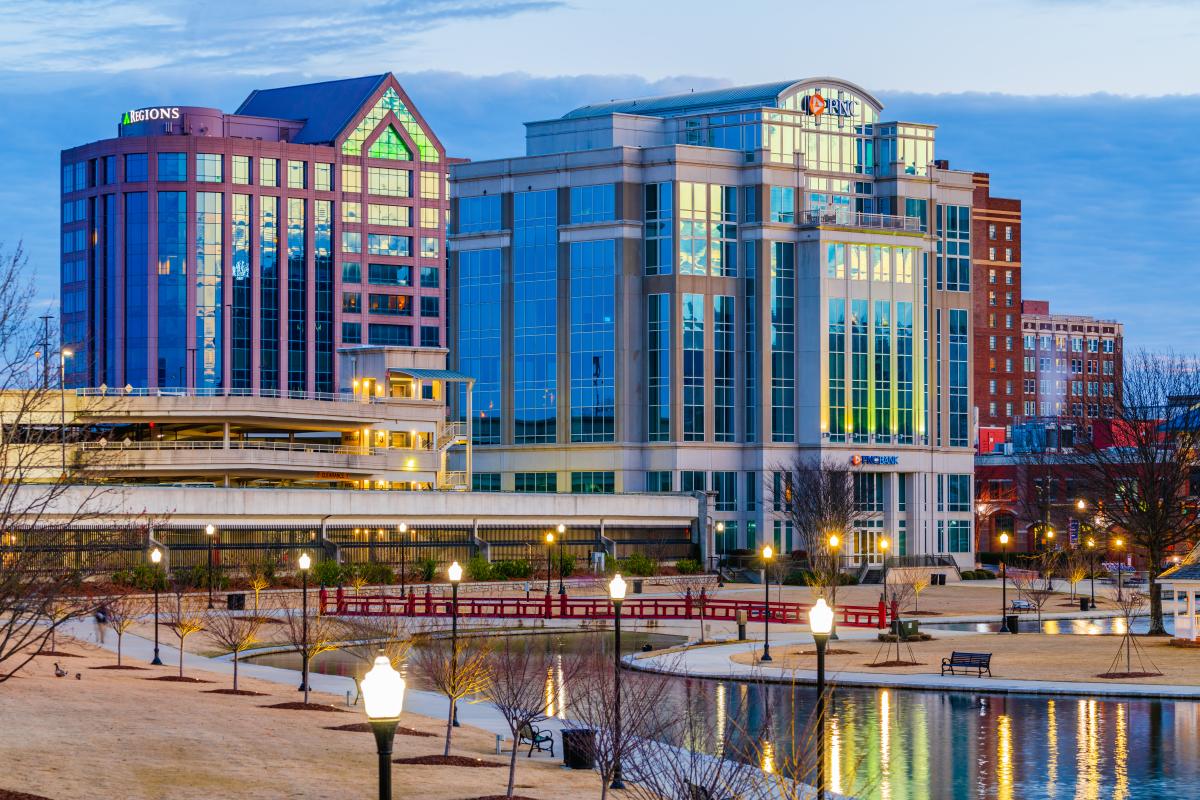
Huntsville's industrial identity is unlike any other city in Alabama. Redstone Arsenal, NASA Marshall Space Flight Center, and Cummings Research Park — one of the largest research and technology parks in the country with over 310 companies — define a market where the buildings aren't warehouses and light manufacturing. They're aerospace engineering labs, defense systems integration facilities, data centers, and precision manufacturing spaces. The roofing requirements for these buildings are more demanding than a standard industrial client, and the contractors who work on them need to understand that.
Boeing Defense Space and Security's Huntsville operations, Raytheon, Northrop Grumman, SAIC — these are facilities where the work inside is classified or mission-critical, and the buildings reflect that. Specialized environmental controls, heavy mechanical loads on roofs, vibration from testing equipment, and security requirements that make standard contractor access a coordinated process. We've worked in the Cummings Research Park environment long enough to know what's expected: background checks, facility-specific safety training, strict documentation of who's on the roof and when, and a level of operational discipline that goes beyond what a typical commercial roofing project requires.
The roofing challenges on Huntsville defense and research facilities often center on the mechanical penetration density. A standard distribution warehouse might have six to eight rooftop penetrations per 100,000 square feet. An aerospace engineering facility can have dozens — exhaust fans, lab-specific HVAC equipment, antenna mounts, cable and conduit runs, and equipment support curbs that weren't in the original building design and have been added over decades. Each one of those penetrations is a potential leak point, and on buildings where the interior conditions are precisely controlled, any moisture intrusion is immediately consequential. We detail those penetrations carefully and maintain documentation of every one we touch.
Huntsville gets 56 inches of rain annually, which is substantial for Alabama — more than Birmingham or Mobile in most years. The I-565 industrial corridor that runs east-west through the metro sees heavy rainfall events in spring and early summer, and the industrial buildings along that corridor need drainage systems that can handle those peak events. Flat commercial roofs with marginal slope and undersized drainage are the most common source of the emergency calls we get in Huntsville. After significant rain events, we receive calls from facilities on the east side of the corridor where building additions and equipment installations have compromised the original drainage patterns. The fix is always the same: restore proper drainage geometry before replacing any membrane.
The building stock in Cummings Research Park spans several decades of construction, and the older buildings on the park's original sections have original roofing assemblies that have been maintained but not replaced. The insulation in some of those assemblies has compressed to half its original thickness, which means the R-value is well below the current energy code and the thermal performance the building management system was designed around. When we proposal a re-roofing project in the Research Park, we're not just talking about a new membrane — we're talking about restoring the thermal assembly to modern performance standards and the operational cost savings that come with that.
Ice storms are a specific hazard in the Huntsville area that North Alabama doesn't always plan for adequately. Unlike the consistent snow and freeze-thaw cycle of states further north, Huntsville gets occasional severe ice storms — ice accumulations that can approach an inch on surfaces — that place unexpected loads on roofs and create ice dam conditions at parapet edges and drains. The ice storm of January 2025 and similar events over the past decade have highlighted the importance of having adequate drainage slope and properly functioning heat tape on critical drain lines for facilities that can't tolerate any moisture intrusion. We include ice storm vulnerability assessments as part of our condition evaluations for sensitive Huntsville facilities.
NASA Marshall Space Flight Center's support infrastructure — the contractor-occupied buildings, the facility management areas, the logistics and materials handling spaces around the main campus — presents its own set of roofing challenges. Some of these buildings are quite old, dating to the early 1960s when the Space Race drove rapid construction of the original Redstone/NASA campus. The roofing systems on these buildings have had multiple generations of overlay and repair, and the actual condition of what's under the current surface membrane is often only determinable by core sampling. We've found assemblies with three or four layers of roofing systems on these older structures, and the accumulated weight sometimes brings total assembly dead load close to the deck's design capacity. Full tear-off is the right approach on buildings where the layer count is that high.
Research and laboratory buildings have a specific moisture management requirement that standard industrial buildings don't: the interior humidity is often tightly controlled, which creates a vapor pressure differential across the roof assembly that differs seasonally. In summer, the interior of an air-conditioned lab space is drier than the hot, humid exterior — vapor pressure drives inward. In winter, the opposite can be true in certain conditions. Getting the vapor retarder placement right for Huntsville's climate profile requires understanding both the building's interior conditions and the local climate data. An incorrectly placed vapor retarder contributes to condensation within the insulation layer, and on research buildings, that's a problem that can compromise the equipment and work inside.
We're also active on the commercial and light industrial side of the Huntsville market — the support businesses, the retail and office-flex development, the medical facilities and the restaurants and logistics operations that support the Research Park ecosystem. Huntsville has grown dramatically, and the commercial building stock along the US-72 and US-431 corridors reflects that growth. We bring the same attention to detail to a 15,000-square-foot office-flex building that we bring to a Cummings Research Park aerospace facility — the systems are different, but the commitment to getting the specification right and executing it correctly isn't.
If you manage facilities in Huntsville — whether defense, aerospace, research, or general commercial industrial — we're the contractor with the relevant experience and the operational protocols to work in demanding environments. Huntsville's industrial sector is too technically sophisticated to settle for a generalist roofing contractor.
Requirements vary by facility and tenant, but the common elements include background checks for all crew members who will access the site, facility-specific safety training and documentation, proof of appropriate insurance with named-additional-insured requirements, and in some cases, active security clearance for project management personnel. We handle the administrative side of contractor approval as standard project startup work. If you're evaluating contractors for a facility in the Research Park or the Arsenal support zone, ask specifically about their experience with the approval process — it takes longer than a standard commercial project and needs to be factored into project scheduling.
Ice accumulation on a flat commercial roof adds significant point load around drain areas where ice tends to build up, and it creates dam conditions at parapets and edge metal that force water back under the membrane as it melts. Buildings with marginal drainage slope are most vulnerable. The most effective protection is maintaining adequate slope to drains, keeping drain sump areas clear, and on critical facilities, installing heat trace on drain lines that would otherwise ice over. After any significant Huntsville ice event, a visual inspection and drain check is worth doing — ice expansion can shift drain hardware and compromise seals that were tight before the event.
Newer construction in Cummings Research Park and the Arsenal support zones typically features single-ply TPO or PVC membranes on polyisocyanurate insulation — these systems are well-suited for the penetration-heavy roof profiles of research and defense buildings. Older buildings more commonly have modified bitumen systems, which perform well in Alabama's climate and are relatively straightforward to repair and maintain. On buildings with very high penetration density, modified bitumen's ease of detailing around complex conditions can make it the better ongoing-maintenance choice. The right system depends on the building's specific conditions and the facility operator's maintenance preferences.
Higher annual rainfall means more total water exposure and a more aggressive inspection schedule is justified. We recommend semi-annual inspections for Huntsville facilities — spring and fall — rather than annual-only. The spring inspection catches any damage from winter ice events and prepares the roof for the heavy spring rain season. The fall inspection closes out the summer UV and heat season and prepares for winter. For research and defense facilities where moisture intrusion has serious consequences, we also recommend infrared scanning every two to three years to identify moisture in the insulation layer before it becomes a structural or operational problem.
Yes, managing work around active operations is standard practice for us in Huntsville. The key elements are advance coordination with the facility manager, work zone planning that separates active production or lab areas from the work area, noise and vibration management when overhead work is near sensitive equipment, and a strict protocol for ensuring watertightness at the end of each workday. We don't leave open areas exposed overnight on sensitive facilities — every day's work ends with temporary protection in place if the permanent system isn't complete. That's the only acceptable approach when the work inside the building can't tolerate interruption or moisture.
Membrane seams, fasteners, curbs, penetrations, edge metal, and drainage paths are reviewed before any repair scope is recommended.
Work windows, tenant access, equipment protection, and safety needs are considered so roof work fits the building’s operating rhythm.
Photos, notes, measurements, and priorities are organized into a roof plan that helps ownership choose the next move with less guesswork.