Roof condition
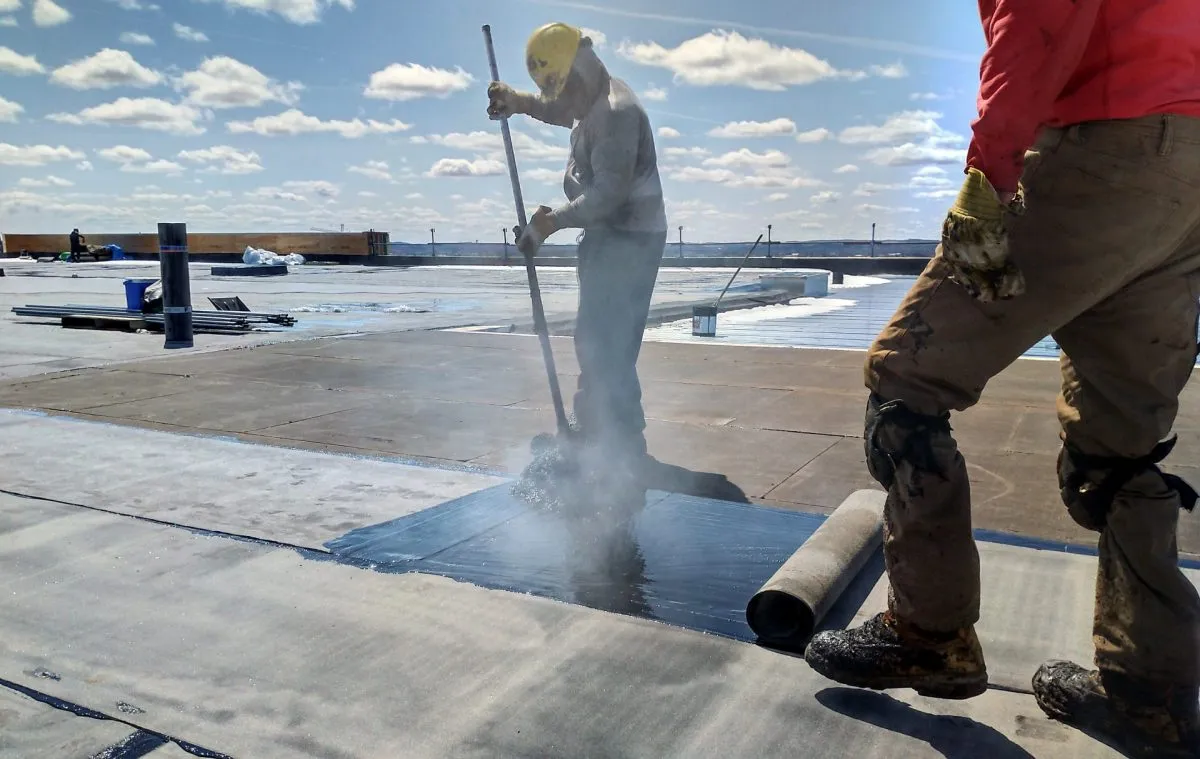
Membrane seams, fasteners, curbs, penetrations, edge metal, and drainage paths are reviewed before any repair scope is recommended.
 Request Roof Walk
Commercial Roofers of Huntsville handles office building roofing with a documented roof walk, photo notes, repair priorities, and a clear path for maintenance, recovery, or replacement.
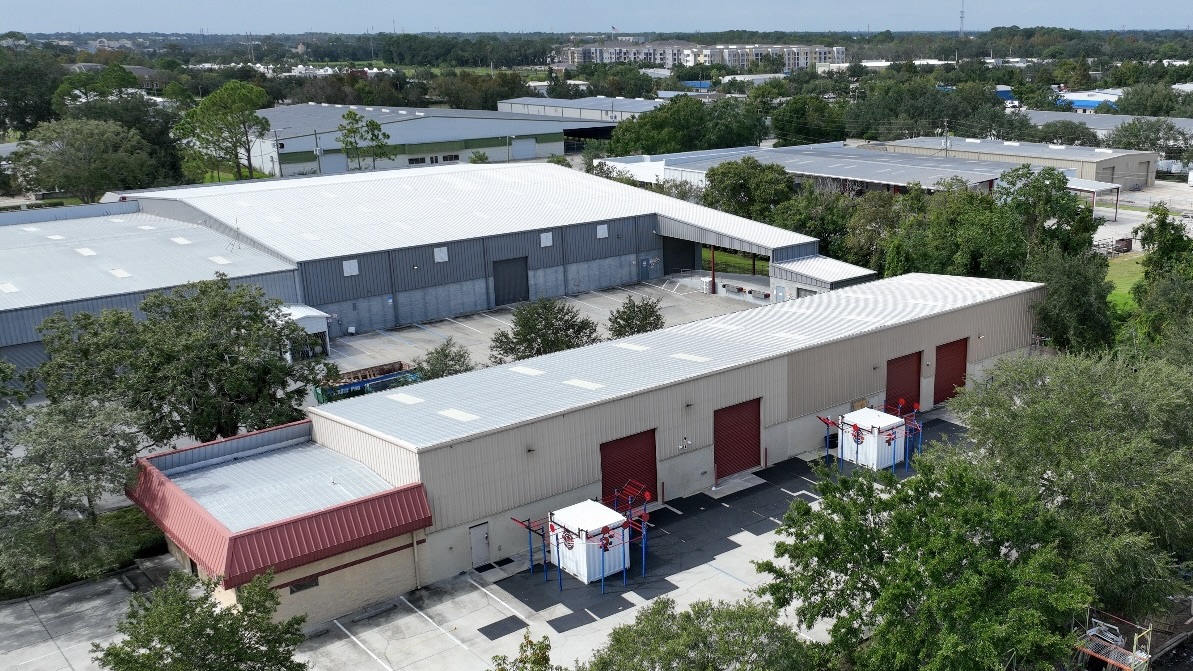
The roof below Office Building Roofing carries tenants, freight, staff, equipment, research space, and business interruption risk. We start Office Building Roofing by asking for roof age, leak locations, prior reports, access rules, tenant limits, and the event that made the roof question urgent. Office Building Roofing is tied to membrane condition, drainage, deck and edge detailing, and repair-versus-replacement decisions, so the scope has to be written for the buyer's operating risk rather than for a generic product list. Our first job on Office Building Roofing is to separate emergency protection from capital planning so a wet ceiling tile does not turn into a rushed replacement and an aging roof does not get patched without checking deck, insulation, drainage, and edge conditions.
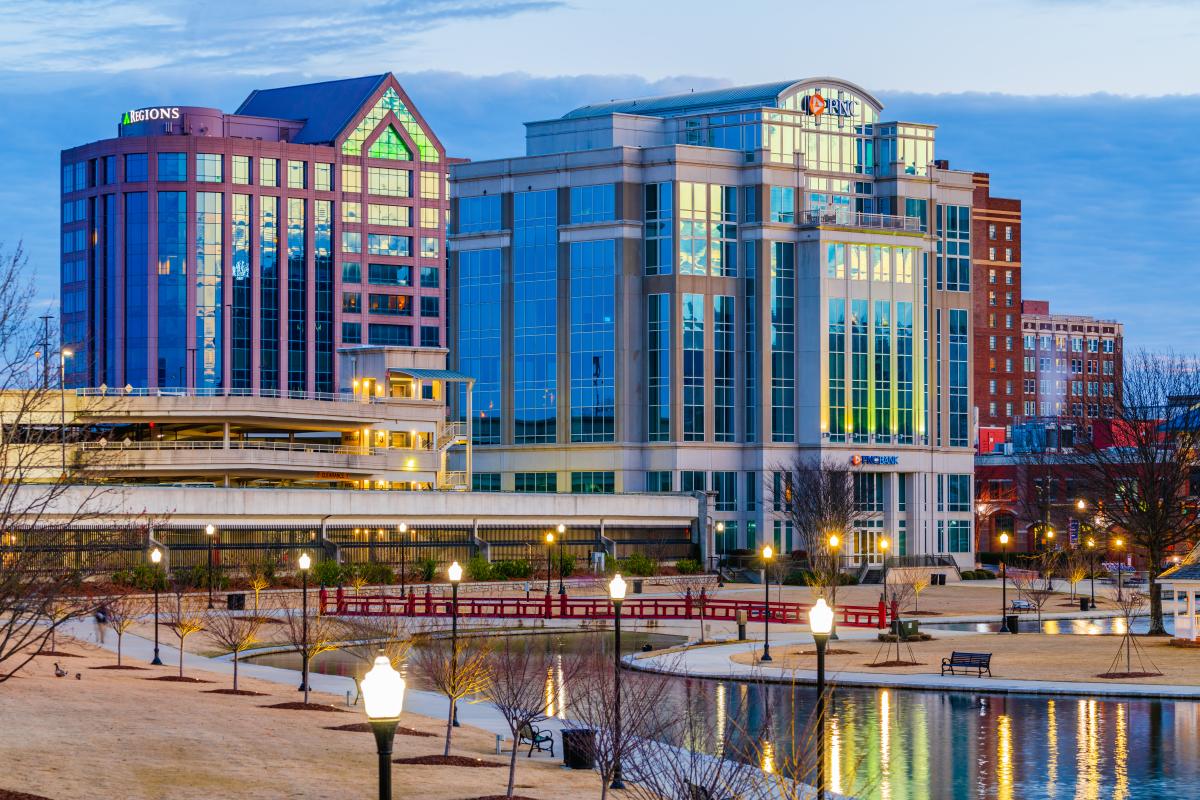
Huntsville's Cummings Research Park is the second-largest research park in the United States and one of the nation's premier concentrations of aerospace, defense, and technology office space, anchoring a Class A office market that is unlike any other city of comparable population. The park's mix of federal agency offices, defense contractor campuses, and private technology firms creates a commercial roofing environment where security clearance protocols, specialized occupancy requirements, and the demand for zero-interruption building systems management add complexity layers not found in conventional office markets.
Occupied-building protocols at Cummings Research Park facilities are shaped by security requirements that impose constraints beyond what standard commercial office work protocols address. Contractors working on buildings housing cleared facilities must submit employee lists for background screening, accept escort requirements for all rooftop work, and comply with facility security directives that may restrict certain phases of work to specific daytime windows. Pre-work security coordination meetings — typically involving the facility's security officer, the contractor's project manager, and building management — are a prerequisite for project start on most secured CRP campuses.
Green roof and sustainability options for Huntsville's CRP campus buildings are driven in part by the federal tenant requirements that shape operating standards for buildings occupied by agencies and contractors subject to federal sustainability mandates. Executive Order 14057 and successor federal sustainability directives require federal agencies and their contractors to reduce building energy consumption, and building owners with federal tenants frequently find that sustainability improvements including green roofs and cool membranes are part of the lease renewal conversation rather than purely discretionary investments.
Multi-RTU coordination on Huntsville's defense and aerospace office buildings is complicated by mission-critical server rooms, specialized laboratory cooling loads, and 24/7 operations in facilities that do not recognize standard Monday-Friday work windows. Re-roofing contractors must develop RTU sequencing plans that accommodate round-the-clock operations, with temporary cooling provisions specified for server rooms and laboratory environments where temperature excursions above 75°F could damage sensitive equipment or interrupt mission-critical operations. This level of planning requires direct engagement with the facilities engineering teams of the individual tenants, not just with building management.
Alabama energy code compliance for Huntsville office re-roofing aligns with the Alabama Energy and Residential Codes based on IECC. Climate Zone 3A requirements mandate minimum reflectance for low-slope commercial roofs and minimum insulation R-values that apply to replacement roofing projects. High-reflectance TPO or modified bitumen with aluminum coating meets the reflectance threshold, and insulation upgrades during re-roofing projects provide energy performance improvements that federal tenants can report against their sustainability mandates.
Reflective membrane selection on Huntsville's Class A office buildings provides genuine cooling load reduction in Alabama's hot, humid summers, where roof surface temperatures on dark membranes reach extreme levels. Top-floor occupants in inadequately insulated CRP buildings frequently report comfort deficiencies during summer afternoons, and for defense contractors with high-value personnel occupying corner suites, addressing these comfort issues is part of maintaining the facility quality that retains key employees. High-reflectance membranes with appropriate insulation provide measurable improvement in top-floor thermal comfort.
Lease renewal dynamics in Huntsville's defense contractor market differ from conventional commercial office markets. Large defense contractors typically occupy buildings on multi-year leases tied to specific government contract cycles, and building owners must anticipate contract renewals or re-competitions that could shift tenant rosters with relatively short notice. Maintaining buildings in excellent condition — with documented roofing warranties, current energy code compliance, and clean maintenance histories — positions owners to attract new defense contractor tenants quickly if an existing tenant's contract is not renewed.
Alabama contractor licensing requirements for commercial roofing include registration with the Alabama Licensing Board for General Contractors. Huntsville's defense contractor market adds a layer of contractor qualification that goes beyond standard licensing — many facility managers require contractors to carry specific insurance endorsements and to have cleared employee rosters available for facilities requiring access control. Contractors who have pre-established relationships and pre-cleared personnel for CRP campus facilities hold a significant competitive advantage over those starting the security clearance process from scratch for each project.
The rapid growth of Huntsville's commercial real estate market has created active demand for both new construction and re-roofing services, and the CRP campus's continuous expansion with new defense and space-sector facilities regularly creates roofing project opportunities. Contractors who invest in understanding the unique requirements of the defense and aerospace office environment — security protocols, mission-critical systems management, federal sustainability standards — position themselves for long-term service relationships with a client base that values continuity and reliability above price.
Membrane seams, fasteners, curbs, penetrations, edge metal, and drainage paths are reviewed before any repair scope is recommended.
Work windows, tenant access, equipment protection, and safety needs are considered so roof work fits the building’s operating rhythm.
Photos, notes, measurements, and priorities are organized into a roof plan that helps ownership choose the next move with less guesswork.