Roof condition
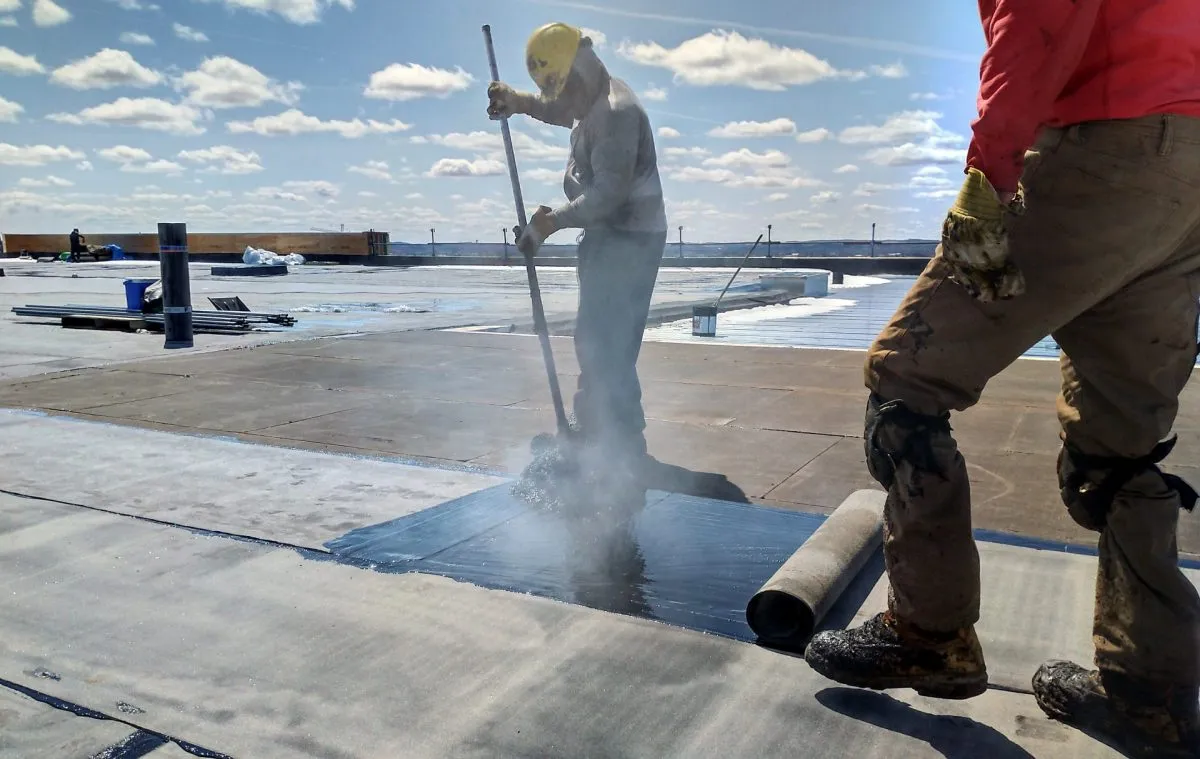
Membrane seams, fasteners, curbs, penetrations, edge metal, and drainage paths are reviewed before any repair scope is recommended.
 Request Roof Walk
Commercial Roofers of Huntsville handles restaurant and food service building roofing with a documented roof walk, photo notes, repair priorities, and a clear path for maintenance, recovery, or replacement.
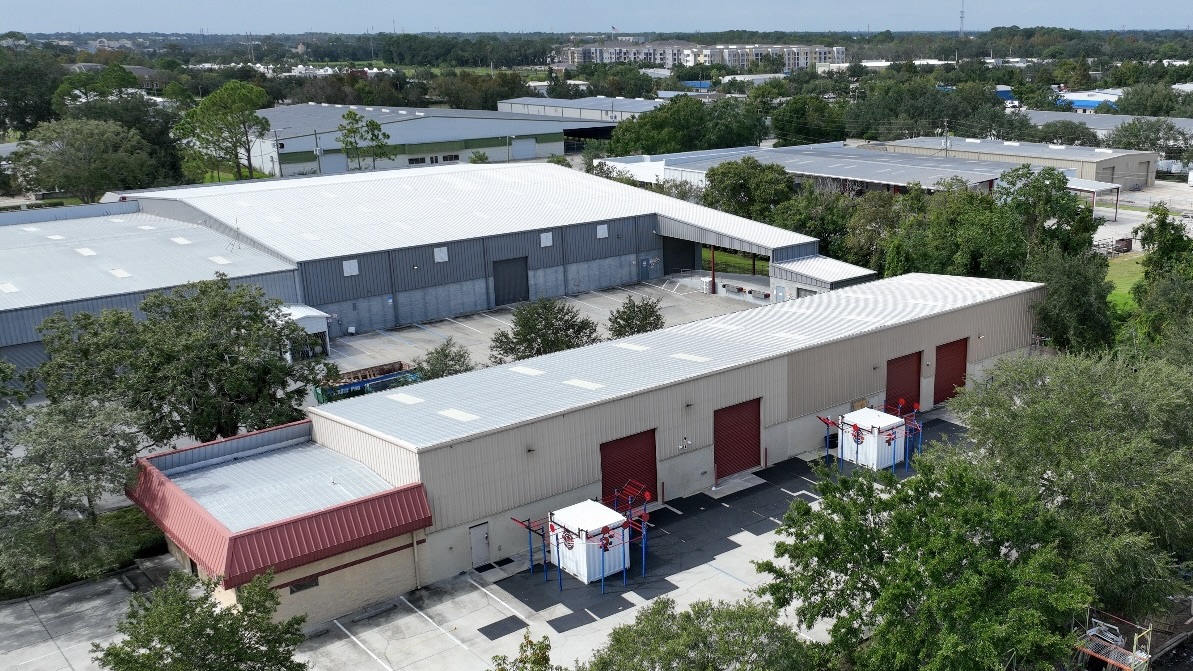
The roof below Restaurant and Food Service Building Roofing carries tenants, freight, staff, equipment, research space, and business interruption risk. We start Restaurant and Food Service Building Roofing by asking for roof age, leak locations, prior reports, access rules, tenant limits, and the event that made the roof question urgent. Restaurant and Food Service Building Roofing is tied to membrane condition, drainage, deck and edge detailing, and repair-versus-replacement decisions, so the scope has to be written for the buyer's operating risk rather than for a generic product list. Our first job on Restaurant and Food Service Building Roofing is to separate emergency protection from capital planning so a wet ceiling tile does not turn into a rushed replacement and an aging roof does not get patched without checking deck, insulation, drainage, and edge conditions.
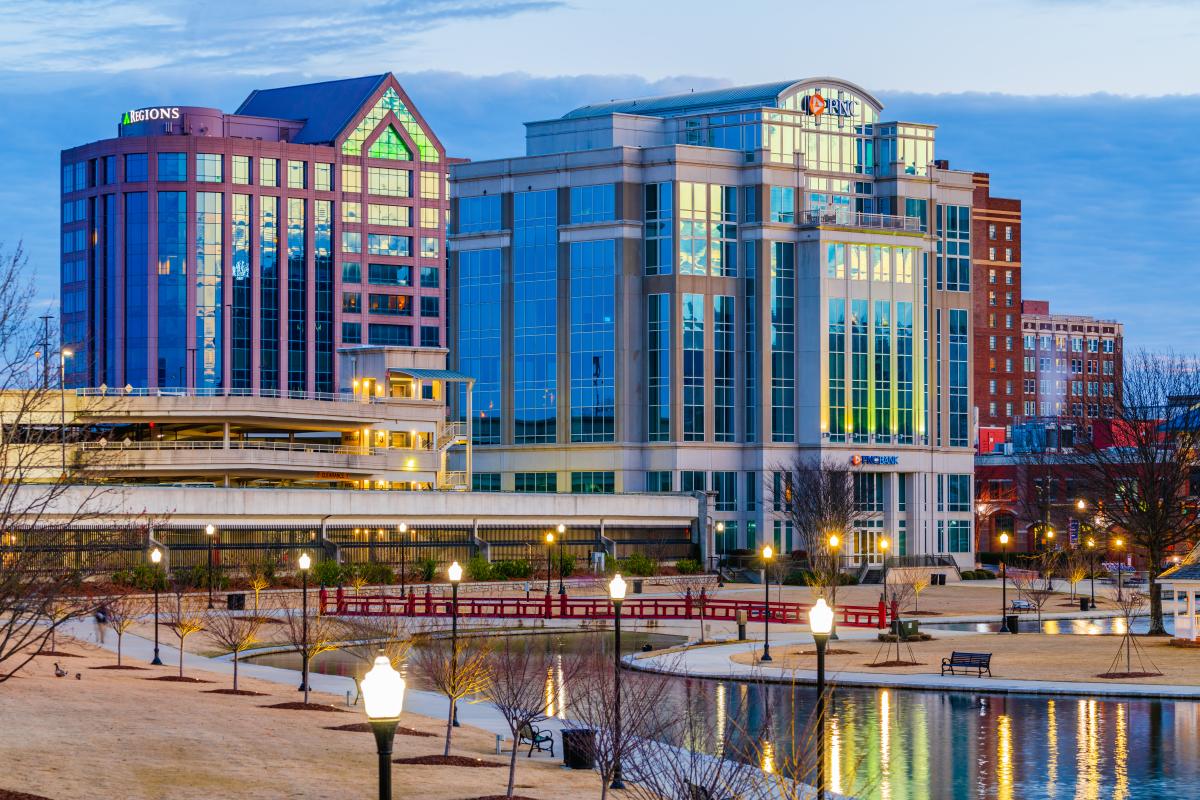
Huntsville has transformed from a mid-sized Alabama city into one of the South's fastest-growing metro areas, driven by the defense and aerospace economy centered at Redstone Arsenal and the Cummings Research Park. That growth has produced a restaurant scene that's evolved well beyond the city's earlier strip-mall dining culture, with the Five Points neighborhood and the Downtown Village area hosting independent concepts, craft breweries, and nationally recognized restaurants alongside the dense QSR and fast-casual strips expanding along University Drive, South Parkway, and the new development corridors near the Toyota Field stadium district. For food service building owners across Madison County, that growth creates both opportunity and a growing inventory of commercial roofs that need proper maintenance and eventual replacement.
North Alabama's climate presents a weather profile that surprises building owners who assume the South means mild winters. Huntsville sits at 600 feet elevation in the Tennessee Valley, and it experiences meaningful ice events—typically freezing rain rather than snow—multiple times per winter. Those ice events are particularly damaging to flat commercial roofing systems because the weight of ice accumulation on low-slope roofs can exceed the design load of buildings that were not engineered for that scenario. More practically, ice forming on membrane surfaces at parapet wall terminations creates prying forces that separate flashing from masonry, opening entry points for moisture that may not be discovered until the next heavy rain event weeks later.
Grease exhaust from Huntsville's growing restaurant community is the sustained operational challenge for every food service roof in the market. The kitchens in the Five Points and Downtown Village areas run the combination of heavy cooking loads and Tennessee Valley humidity that creates aggressive grease-and-moisture accumulation at rooftop exhaust curbs. That combination degrades membrane seams faster than either grease or moisture alone would, particularly in late summer when Huntsville's humidity peaks during the same period that kitchen exhaust volumes from the summer dining season are at their highest. Properly heat-welded curb flashings in PVC or TPO, inspected annually and cleaned of grease residue, are the minimum standard for any Huntsville restaurant with meaningful kitchen output.
Huntsville's craft brewery and taproom scene has expanded meaningfully alongside the city's tech economy growth. The brewpubs and production breweries operating in repurposed commercial spaces near the Lowe Mill arts complex and in the new development along the Jeff Road corridor generate steam exhaust, glycol system venting, and CO2 release points that require engineered roof penetration details. North Alabama's ice events create a specific risk at steam exhaust stacks: condensate draining down the stack during operation can freeze at the flashing collar during a hard freeze, creating an ice plug that blocks the stack and stresses the penetration. Properly designed stack systems with adequate exhaust velocity and heated collar details where warranted are the answer for Huntsville brewing operations.
Walk-in coolers are essential infrastructure for the growing Huntsville restaurant market, and their roofing details are a persistent source of moisture problems in the region's older commercial building stock. The freestanding restaurant buildings and strip centers along University Drive and South Parkway from the 1980s and 1990s often have roof assemblies where vapor barriers were absent above walk-in cooler locations, creating conditions where moisture has been accumulating in insulation layers for decades in some cases. Huntsville's seasonal temperature range—summer highs above 95°F, winter lows that occasionally reach single digits—generates intense thermal cycling at those locations, driving progressive condensation accumulation that doesn't dry out between cycles. Any re-roofing project that touches a walk-in location should address vapor barrier placement as a priority.
The QSR and fast-food concentration along Huntsville's major arterials—University Drive, Memorial Parkway, and the Research Park corridors—represents a significant inventory of commercial restaurant roofs. National franchise remodel cycles, new unit construction near the Stadium at Heritage development, and drive-through technology upgrades all require roofing work coordinated with kitchen ventilation and HVAC installation. Alabama requires a licensed roofing contractor for this work, and QSR franchise operators in the Huntsville market who select contractors based primarily on price sometimes find that the roofing scope wasn't executed to the food service standard that kitchen exhaust penetrations require. The failures that result show up within a few seasons and rarely have clear warranty coverage when the contractor was unlicensed or the work was treated as incidental to the mechanical scope.
Huntsville's severe weather season extends from late winter through early summer, with tornado watches and severe thunderstorm events common from February through May. The city's location in the Tennessee Valley creates a channeling effect for storm systems that can produce hail and straight-line winds more concentrated than regional averages suggest. Restaurant roofs on the newer commercial developments near the Hays Farm district and the Target shopping corridor on South Parkway need perimeter edge conditions and mechanical attachment specifications that account for this wind exposure, not just the basic Alabama building code minimum. Any re-roofing project on a Huntsville food service building should include a wind uplift calculation rather than defaulting to code-minimum fastening.
Health code compliance in Huntsville is administered through the Madison County Health Department, which has documented cases where building envelope failures—including roof moisture intrusion—contributed to citation conditions in food service establishments. The connection between a failing rooftop exhaust curb flashing and a ceiling staining condition in a kitchen prep area is a direct one, and Huntsville restaurant operators who address roofing maintenance proactively are also managing the compliance exposure that comes with a building that shows water-related damage during an inspection. Integrating annual roofing inspections with the health permit renewal cycle is a practical way to keep both systems synchronized.
Operational continuity for Huntsville restaurants during a roofing project is achievable with proper contractor selection and project planning. The city's dining market is competitive enough that any closure or service interruption represents real revenue risk for operators in the Five Points and Downtown Village areas. Experienced Alabama roofing contractors working on food service buildings build project schedules around kitchen operating hours, complete the most disruptive phases during early morning windows, and avoid open-flame torching near kitchen exhaust areas entirely. Induction welding for TPO seams and cold-adhesive methods for EPDM details near active kitchen zones are the standard safety and operational practices that protect both the building and the business running inside it.
Membrane seams, fasteners, curbs, penetrations, edge metal, and drainage paths are reviewed before any repair scope is recommended.
Work windows, tenant access, equipment protection, and safety needs are considered so roof work fits the building’s operating rhythm.
Photos, notes, measurements, and priorities are organized into a roof plan that helps ownership choose the next move with less guesswork.