Roof condition
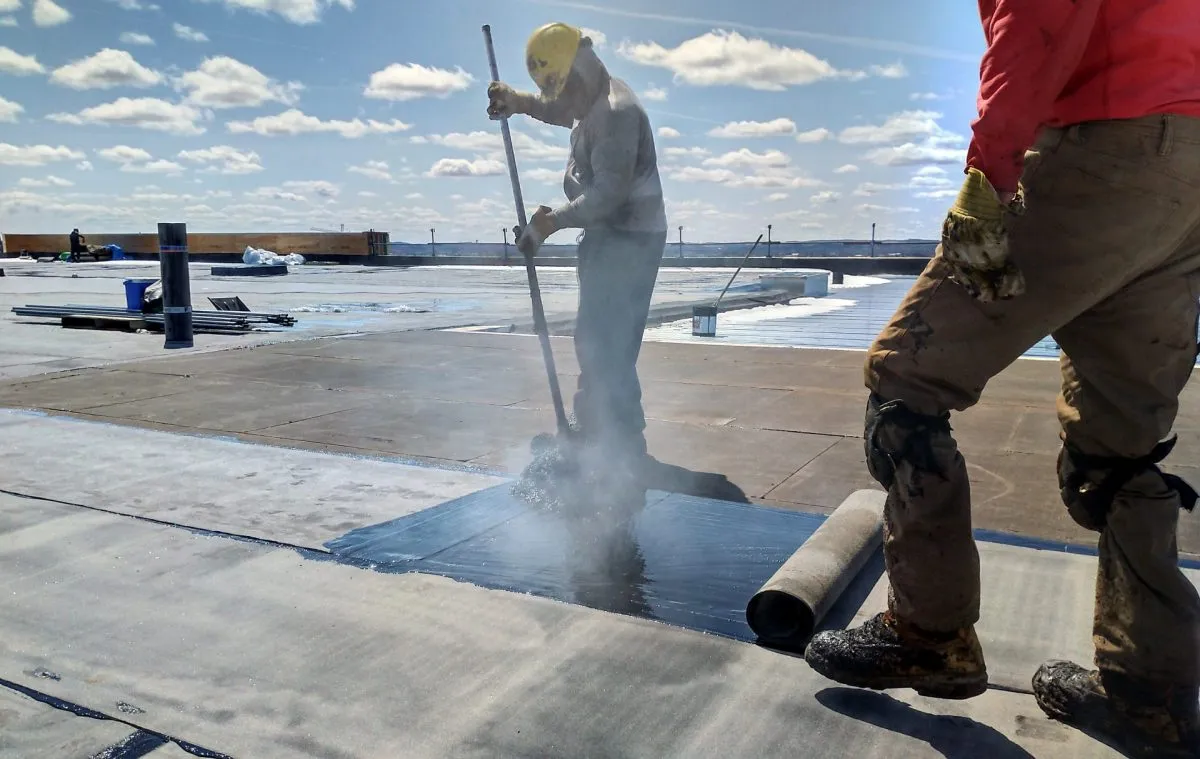
Membrane seams, fasteners, curbs, penetrations, edge metal, and drainage paths are reviewed before any repair scope is recommended.
 Request Roof Walk
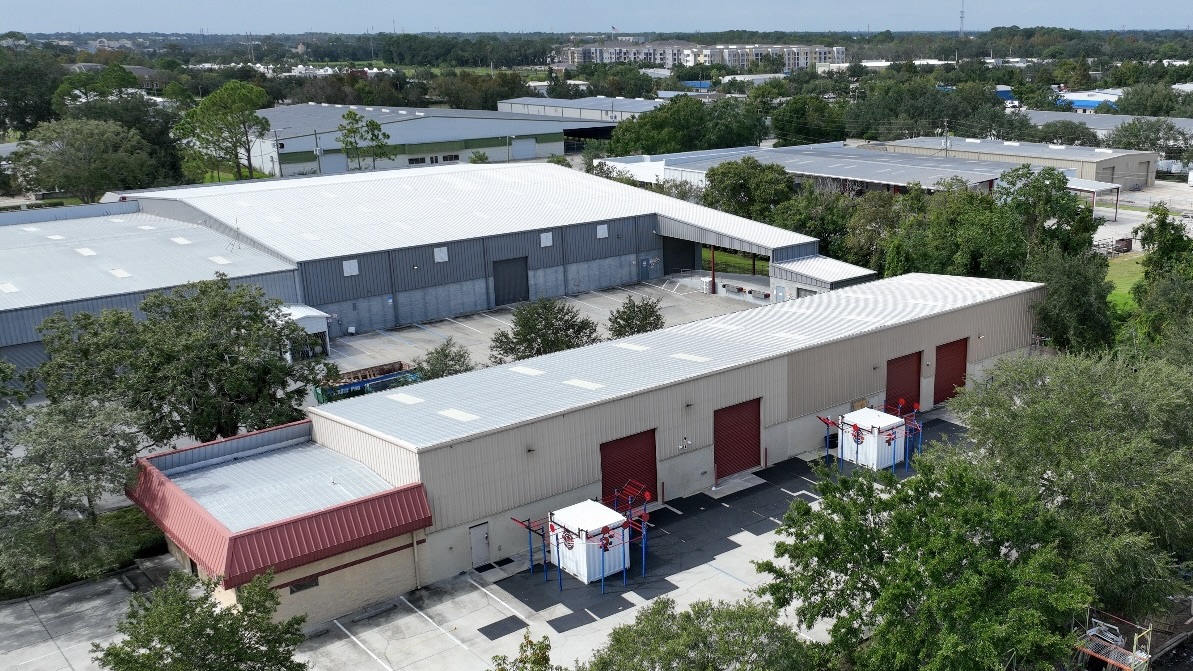
Commercial Roofers of Huntsville handles retail and shopping center roofing with a documented roof walk, photo notes, repair priorities, and a clear path for maintenance, recovery, or replacement.
The roof below Retail and Shopping Center Roofing carries tenants, freight, staff, equipment, research space, and business interruption risk. We start Retail and Shopping Center Roofing by asking for roof age, leak locations, prior reports, access rules, tenant limits, and the event that made the roof question urgent. Retail and Shopping Center Roofing is tied to membrane condition, drainage, deck and edge detailing, and repair-versus-replacement decisions, so the scope has to be written for the buyer's operating risk rather than for a generic product list. Our first job on Retail and Shopping Center Roofing is to separate emergency protection from capital planning so a wet ceiling tile does not turn into a rushed replacement and an aging roof does not get patched without checking deck, insulation, drainage, and edge conditions.
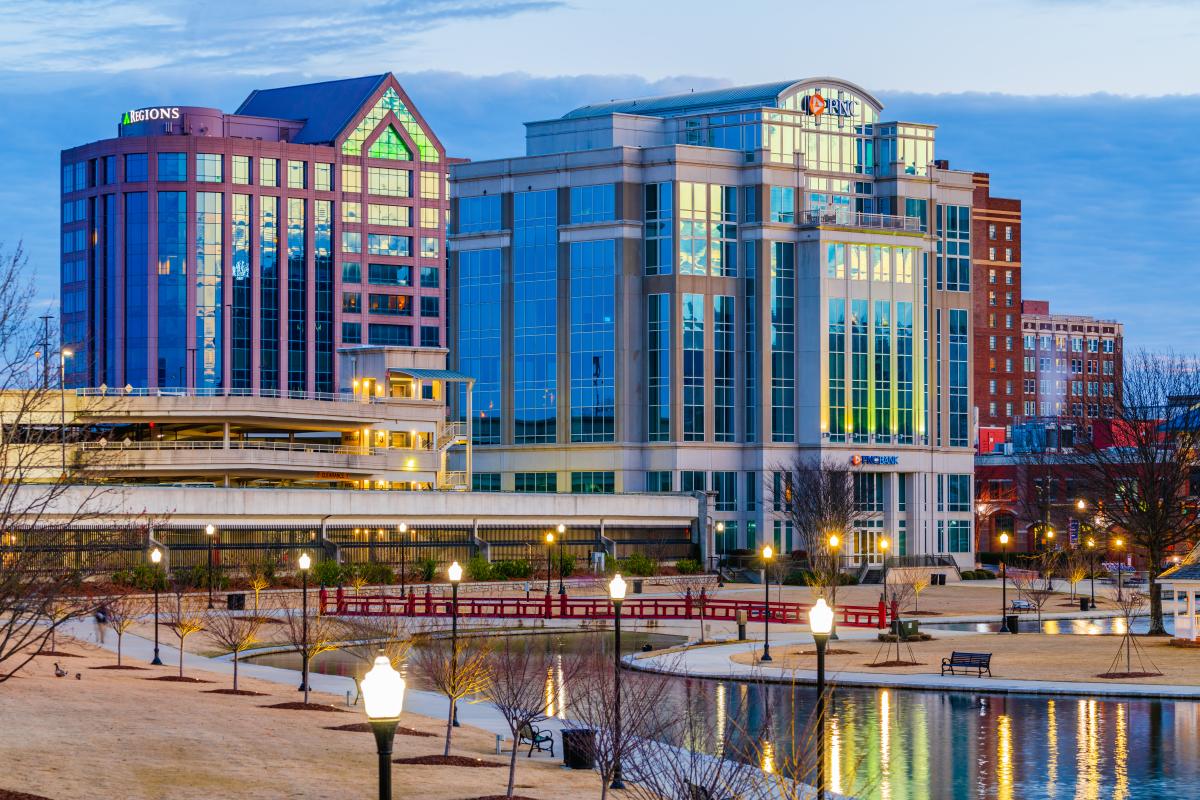
Huntsville, Alabama has experienced some of the fastest retail growth in the Southeast over the past decade, driven by the expansion of the aerospace and defense sector concentrated around Redstone Arsenal. The Bridge Street Town Centre development established a new benchmark for mixed-use retail in the region, while the South Memorial Parkway corridor and the Madison retail node along County Line Road have absorbed new-format retail construction at a pace that has strained the local commercial roofing contractor market. New construction means opportunities to specify roofing systems correctly from the outset, but the older strip center inventory along University Drive and Jordan Lane represents a different challenge — aging membrane systems that are reaching or exceeding their useful life while landlords grapple with how to fund replacement in a competitive retail leasing environment.
TPO roofing dominates new retail construction in Huntsville, specified by institutional developers who understand its performance profile in North Alabama's climate. The summer heat in the Tennessee Valley can be intense — Huntsville routinely experiences weeks of 95-plus-degree temperatures — and the reflective surface of a white TPO membrane reduces cooling energy consumption for tenants in a way that dark-surfaced systems cannot match. The Tennessee Valley Authority's commercial energy programs have historically provided incentives for energy-efficient roofing upgrades that Huntsville property managers have used to offset reroof costs, making the economics of TPO replacement particularly favorable compared to markets without utility-backed programs.
Huntsville's retail market includes a significant number of properties that were developed specifically to serve the residential growth in areas like Hampton Cove, Providence, and the Research Park West corridor. These community shopping centers carry the typical Huntsville weather risk: the Tennessee Valley is exposed to severe thunderstorm activity from spring through fall, including hail events that can damage roofing membranes on properties across the metro. A hail-resistant roofing specification — typically 80-mil TPO or a membrane with verified hail resistance ratings — is worth the incremental cost premium on Huntsville retail properties, as hail claims on standard 45-mil or 60-mil systems have been a consistent source of insurance and maintenance cost for regional property managers.
HVAC rooftop equipment density on Huntsville retail centers reflects the extreme cooling requirements of Alabama summers. A 2,000-square-foot inline strip tenant in a Jordan Lane or University Drive center may have three or four rooftop units, and a restaurant pad tenant will add kitchen exhaust fans, makeup air units, and grease exhaust equipment on top of the standard cooling load. Each piece of equipment requires a properly flashed and maintained penetration. A proactive rooftop flashing inspection program — conducted twice annually and documented with photographs — gives Huntsville property managers the evidence trail they need when disputing damage claims with tenants who attribute interior water damage to the landlord's failure to maintain the roof.
Retail tenant disruption management in Huntsville has a specific dimension that other markets don't face to the same degree: many retail tenants in the Huntsville market serve a customer base of government contractors and technical professionals who have fixed lunch windows and limited flexibility in their shopping patterns. A strip center near Research Park or the Cummings Research Park area where roofing construction blocks parking or creates access obstacles during midday hours can lose customer traffic that does not recover when the project is complete. Scheduling construction phases around peak customer traffic windows — and communicating construction timelines to tenants well in advance so they can alert their own customers — is a practice that experienced retail roofing contractors execute as standard project management.
The growth of Huntsville's retail market has attracted national big-box retailers whose lease provisions include specific roofing standards that bind both the landlord and any approved contractors who work on the property. Home improvement centers, national sporting goods retailers, and major grocery anchors at Huntsville's power centers all carry standard form lease exhibits that define minimum membrane specifications, approved manufacturer lists, warranty terms, and advance notice requirements. A commercial roofing contractor bidding on work at a Huntsville shopping center anchor needs to review these lease requirements before preparing a scope of work, because non-compliant work can trigger lease default claims that dwarf the value of the roofing contract itself.
Older retail properties along University Drive and the South Parkway corridor often carry multiple layers of accumulated roofing that have been applied over the original deck without full tear-off between applications. While this practice was common in earlier decades as a cost-saving measure, the result is often a roofing assembly that has exceeded its structural weight limit, has unknown moisture content within the buried layers, and cannot be successfully overlaid again. When a Huntsville property owner encounters this situation during a roofing assessment, the scope of the replacement project expands significantly — requiring full removal, structural deck inspection, and potentially deck repair before a new system can be installed. Understanding this risk before acquiring or refinancing an older Huntsville retail property is one reason a pre-transaction roofing assessment pays for itself.
CAM budgeting for Huntsville retail properties is a topic that has gained attention as the market matures and tenants become more sophisticated about their total occupancy costs. National retail tenants in Huntsville's newer center developments have negotiated CAM caps that limit their exposure to landlord capital expenditures, including roofing replacement. When roofing replacement is necessary on a center with CAM caps, the landlord bears the incremental cost above the tenant's capped contribution. Property managers who maintain accurate capital reserve accounts — funded by recurring CAM contributions — are better positioned to execute necessary roofing work without creating balance sheet surprises when major replacements become unavoidable.
The intersection of Huntsville's aggressive retail growth trajectory with its severe weather exposure makes commercial roofing a genuine asset management priority for property owners in the market. A well-maintained roof on a Huntsville retail center is not merely a maintenance checkbox — it is a direct factor in tenant retention, insurance premium calculations, and the property's ability to attract the credit tenants who anchor successful shopping centers. Working with a commercial roofing contractor who understands the specific demands of retail property management in the Tennessee Valley, from storm damage response to lease-compliant specification writing, is the foundation of a sound roofing asset management program.
Membrane seams, fasteners, curbs, penetrations, edge metal, and drainage paths are reviewed before any repair scope is recommended.
Work windows, tenant access, equipment protection, and safety needs are considered so roof work fits the building’s operating rhythm.
Photos, notes, measurements, and priorities are organized into a roof plan that helps ownership choose the next move with less guesswork.