Roof condition
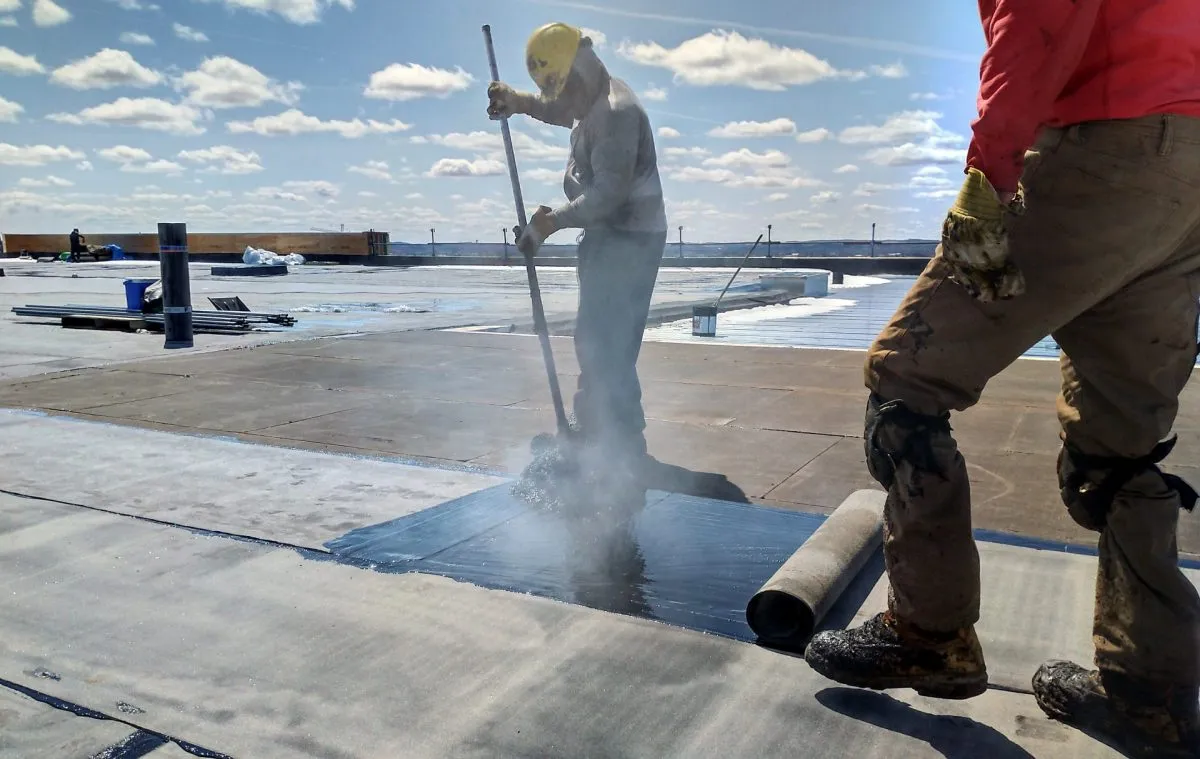
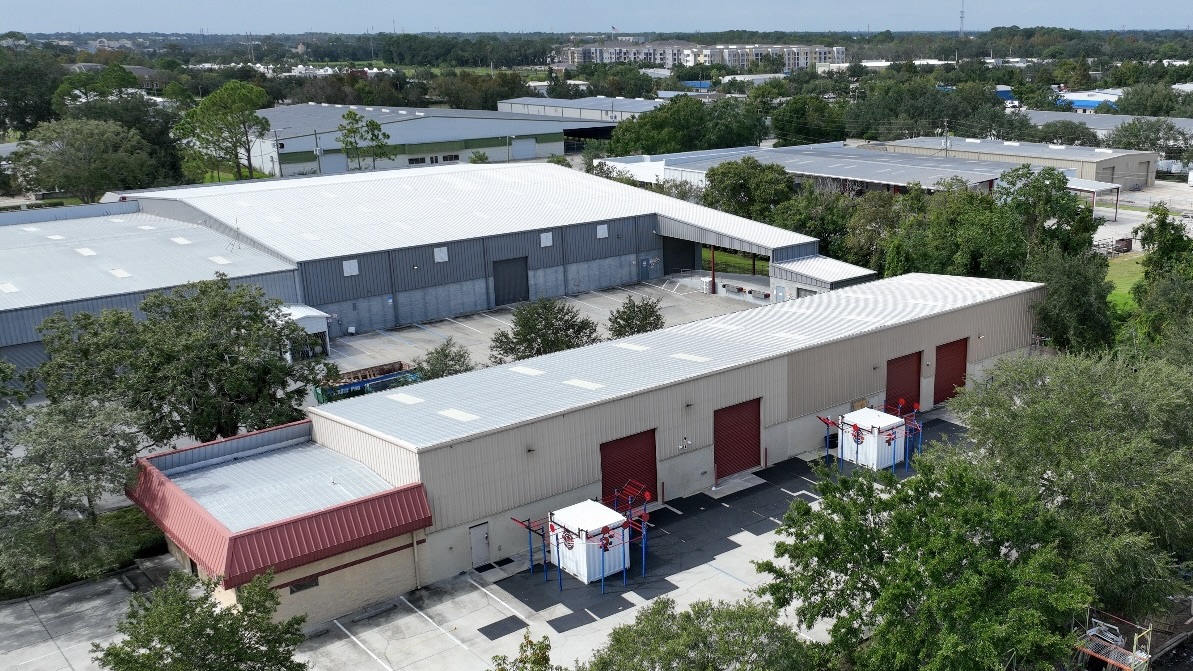
Membrane seams, fasteners, curbs, penetrations, edge metal, and drainage paths are reviewed before any repair scope is recommended.
 Request Roof Walk
Commercial Roofers of Huntsville handles solar roof integration with a documented roof walk, photo notes, repair priorities, and a clear path for maintenance, recovery, or replacement.
A rooftop solar system is engineered to produce power for two and a half to three decades. The membrane it bolts to often has nowhere near that much life left. That gap is the first thing we put in front of any Huntsville property owner who calls us about going solar, because we come to the conversation as roofers rather than panel salespeople. Before a single module is ordered, we want to know how many years the existing roof has in it. If that number falls short of the array's service life, the panels will have to be detached and reset during the next reroof, and the cost of that detach-and-reset is almost never written into the solar bid the owner is looking at.
We see why the interest is heavy across the city's commercial base. The big distribution and light-industrial buildings out along Jetplex Lane and Wall Triana Highway, the research and engineering tenants tied to the Redstone Arsenal and Cummings Research Park ecosystem, and the wide retail rooftops on University Drive and Memorial Parkway all run substantial daytime electrical loads that line up neatly with solar production hours. Add the federal investment tax credit and Huntsville Utilities' rate structure and the payback math gets attractive. None of that changes the underlying truth of the work: an array is only as dependable as the roof carrying it.
There are two ways to anchor modules to a low-slope commercial roof, and each creates a different roofing problem we have to solve. Ballasted racking sets the panels in weighted trays that stay put by sheer mass, leaving the membrane unpunctured. The cost of that is dead load. A ballasted layout can add roughly three to six pounds per square foot once the concrete blocks are counted, and that figure has to be checked against what the deck was actually designed to carry. A good share of Huntsville's mid-century commercial stock was framed to lighter original loads, so ballast is not always on the table.
Mechanically attached racking is the other route. Every stanchion foot is lagged or fastened through the membrane and into the structure, which means each attachment is a roof penetration that has to be flashed like one. We detail those feet the way we would treat any pipe or curb: a proper base flashing, a target patch welded or bonded into the field sheet, and a finished detail the membrane manufacturer will warrant. A rack foot sealed with a bead of caulk is simply a leak waiting for the first hard freeze that rolls down the Tennessee Valley behind a winter front.
The wire run from the array back to the building's electrical room crosses the roof and almost always penetrates it at least once. We work that routing out with the solar electrician before any conduit is set. Conduit clipped flat against the membrane abrades the sheet with every thermal cycle, and a conduit penetration sealed with a generic boot instead of a proper flashed detail turns into a chronic drip. Raised standoffs, sealed pitch pockets, and a routing plan agreed to during preconstruction are what keep the array from generating a service call two summers later.
Not every membrane belongs under solar. For a PV-ready roof we specify a reflective white TPO or PVC sheet, usually 60-mil, because the cooler surface beneath the panels supports production and the weldable sheet lets us build clean, durable penetration details at every rack foot. Wind uplift carries as much weight in the design as the dead load does. Panels tilted on a flat roof catch wind like sails, so the racking, the ballast, and the fastening schedule all have to be engineered for the uplift pressures the building will actually see. The perimeter and corner zones take the highest loads of all, and a sound array layout respects those high-uplift edge zones rather than crowding modules into them.
We document the existing assembly, confirm how much spare load capacity the deck has, and tell the owner plainly whether the roof is solar-ready as it stands, needs a recover first, or needs a full tear-off before any of this makes sense. Spending capital to bolt a thirty-year array onto a roof with five years left is one of the more expensive mistakes a commercial owner can make, and it is entirely avoidable.
The warranty problem is the one that ambushes owners after everyone has gone home. A membrane manufacturer's no-dollar-limit warranty can be voided the instant an outside trade penetrates the roof without the manufacturer's sign-off. We close that gap before it opens. The membrane manufacturer's representative comes into the project ahead of the racking, and the array layout, the attachment details, the walkway-pad protection, and every penetration flashing get reviewed and approved so the roofing warranty survives the solar install intact. We also put in writing exactly where the roofing warranty ends and the solar installer's workmanship warranty begins, so that if a leak ever shows up near a rack foot three years out, there is a documented answer instead of a standoff between two contractors. That coordination, more than any single flashing, is what we bring to a solar roof project in Huntsville.
It comes down to remaining membrane life. With fifteen or more documented years left, installing onto the existing roof is reasonable. With seven years or fewer, reroof first. The cost of detaching and resetting an array during a future tear-off almost always exceeds the cost of reroofing now and setting the panels on a fresh membrane. We give you a service-life estimate before you commit either way.
Not always. Ballasted racking holds the array with weighted trays and leaves the membrane intact, but it adds several pounds per square foot that the deck has to be able to carry. Mechanically attached racking penetrates at each foot and is used where ballast weight is not feasible. Where we do penetrate, every foot gets a flashed, manufacturer-approved detail.
It can, if an outside trade penetrates a warranted membrane without the manufacturer's approval. We prevent that by routing the array layout and attachment details through the membrane manufacturer's representative for review before installation, so the warranty stays in force.
A reflective white TPO or PVC sheet, usually 60-mil. The white surface runs cooler and supports panel output, and the weldable sheet gives us clean, durable penetration details at every rack foot. We use fully adhered systems where load limits or ballast considerations call for them.
Yes. The membrane is installed and inspected before any racking lands, and we flash the conduit penetrations ourselves before the electrician pulls wire. We hold a preconstruction meeting with the solar contractor to lock down the sequence, conduit routing, penetration details, and the inspections both the roofing and solar warranties require.
Membrane seams, fasteners, curbs, penetrations, edge metal, and drainage paths are reviewed before any repair scope is recommended.
Work windows, tenant access, equipment protection, and safety needs are considered so roof work fits the building’s operating rhythm.
Photos, notes, measurements, and priorities are organized into a roof plan that helps ownership choose the next move with less guesswork.