Roof condition
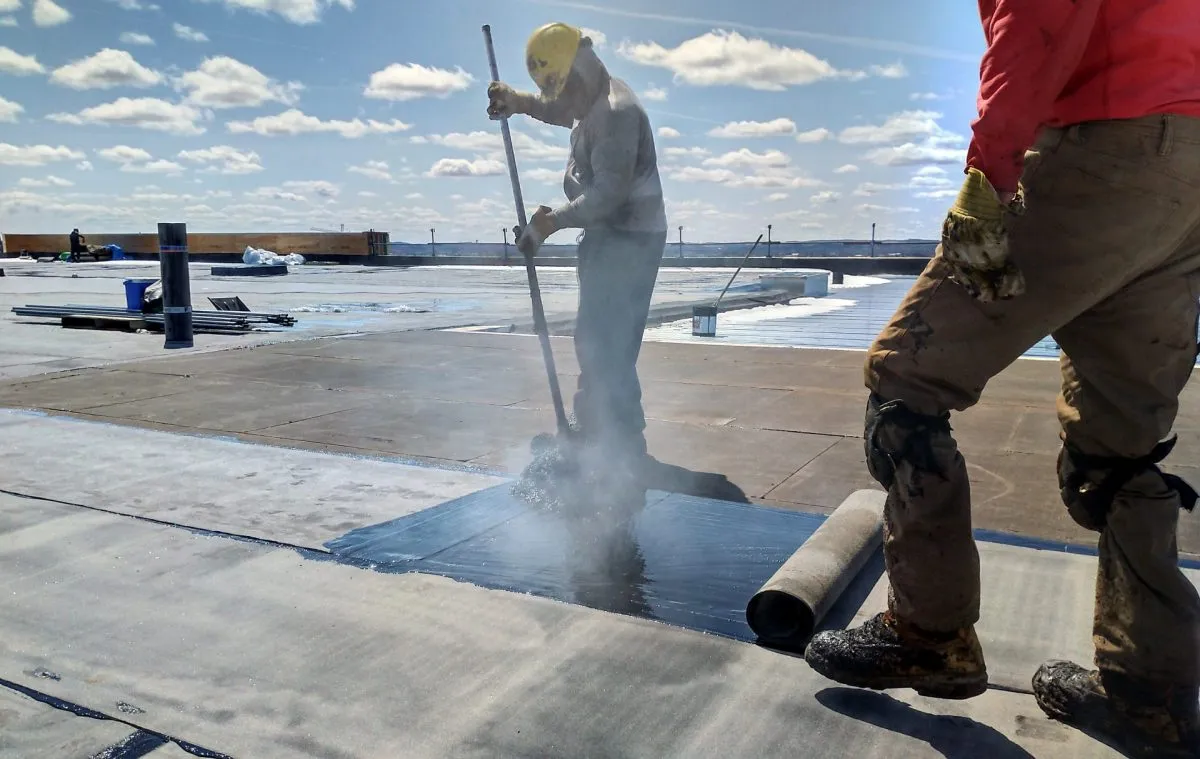
Membrane seams, fasteners, curbs, penetrations, edge metal, and drainage paths are reviewed before any repair scope is recommended.
 Request Roof Walk
Commercial Roofers of Huntsville handles university and college campus roofing with a documented roof walk, photo notes, repair priorities, and a clear path for maintenance, recovery, or replacement.
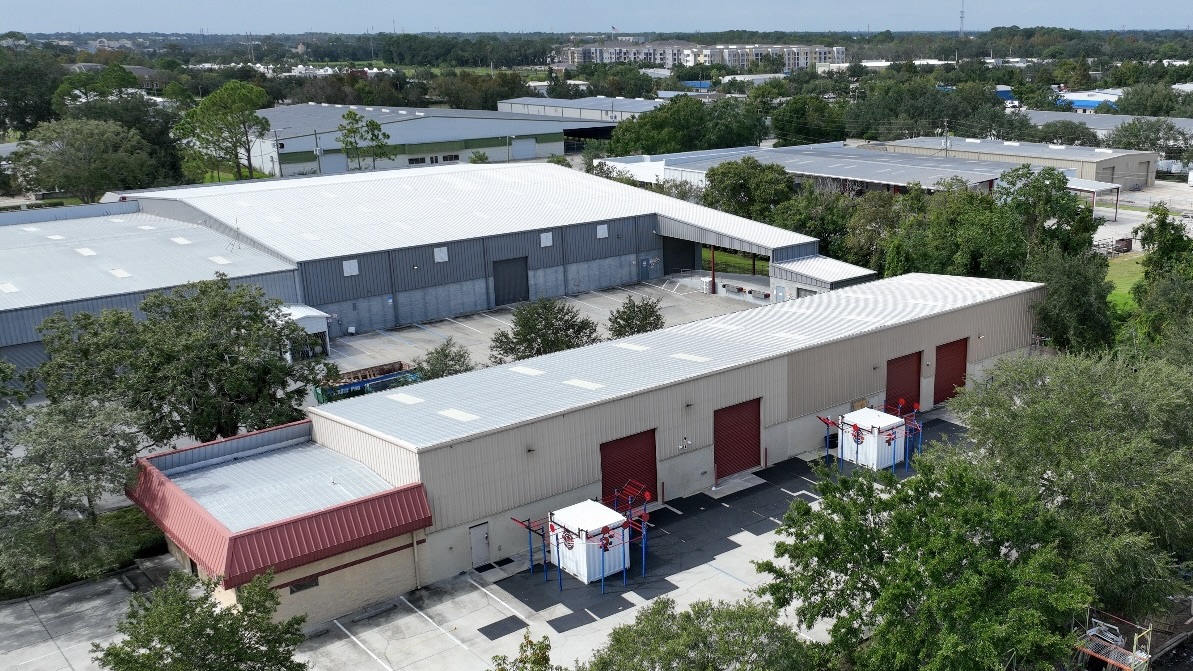
The roof below University and College Campus Roofing carries tenants, freight, staff, equipment, research space, and business interruption risk. We start University and College Campus Roofing by asking for roof age, leak locations, prior reports, access rules, tenant limits, and the event that made the roof question urgent. University and College Campus Roofing is tied to membrane condition, drainage, deck and edge detailing, and repair-versus-replacement decisions, so the scope has to be written for the buyer's operating risk rather than for a generic product list. Our first job on University and College Campus Roofing is to separate emergency protection from capital planning so a wet ceiling tile does not turn into a rushed replacement and an aging roof does not get patched without checking deck, insulation, drainage, and edge conditions.
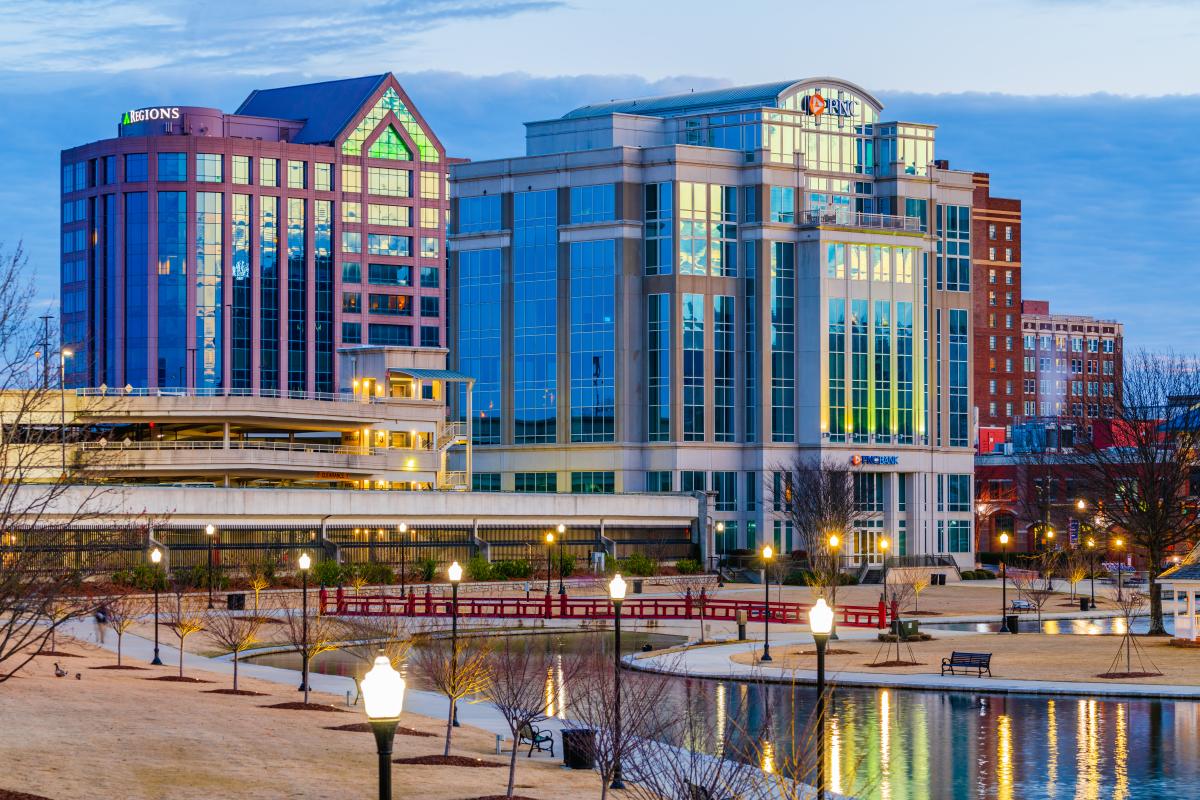
The University of Alabama in Huntsville manages a rapidly growing campus that has expanded significantly in recent years on the strength of research funding from Redstone Arsenal, NASA Marshall Space Flight Center, and the broader defense and space economy that defines Huntsville's identity. UAH's campus includes cutting-edge research facilities such as the Propulsion Research Center, the National Space Science and Technology Center, and a growing collection of engineering and science laboratories that blur the line between a traditional academic campus and a national research park. Commercial roofing at UAH is complicated by the fact that many campus buildings are occupied not just by students and faculty but by government-sponsored researchers and industry partners whose operational schedules are determined by contract deliverables rather than academic calendars.
Semester scheduling at UAH is complicated by the university's heavy graduate and research enrollment. While undergraduate semesters follow a traditional pattern, the university's research enterprise operates continuously. Federal contracts, particularly those funding research in aerospace, optics, and cybersecurity, impose deliverable timelines that cannot be adjusted to accommodate a construction project. The facilities team must communicate with the office of research administration before confirming access windows for buildings with active federal research contracts, and the contractor must be prepared for last-minute access restrictions tied to government inspection visits or classified research activities.
Alabama's competitive bidding requirements under the Alabama Competitive Bid Law apply to UAH as a state institution. Projects above the statutory threshold require public advertisement and sealed bid opening, and the university's facilities office administers procurement through the State Building Commission for certain project types. The contractor must verify the applicable bid threshold and procurement path with the UAH facilities team before developing a project proposal, because the procurement requirements differ by project type and funding source. Federally funded projects may also be subject to Davis-Bacon Act prevailing wage requirements, adding a wage compliance dimension to projects funded through NASA or DoD research facility accounts.
Historic buildings at UAH are fewer than at older Southern universities, but several of the campus's original structures from its founding in the 1970s have reached an age where preservation considerations are beginning to apply. More relevant is the obligation to maintain the architectural consistency of the campus master plan as the university grows rapidly. The campus master plan, updated regularly, establishes material and design standards for all building systems including roofing, and the contractor must work within those standards when proposing material systems for campus projects.
LEED and sustainability at UAH reflect both the university's environmental goals and the expectations of its federal research sponsors. Many government-funded campus facilities are required to meet LEED or ENERGY STAR standards as a condition of federal funding. The contractor should confirm the applicable sustainability requirements for each building's funding source and provide the documentation needed to satisfy those requirements, which may include LEED certification documentation, ENERGY STAR certification support, or federal green building standards documentation depending on the specific funding program.
Complex procurement at UAH is shaped by the intersection of state university requirements and federal research funding. Buildings funded through federal grants or contracts may have specific procurement requirements imposed by the funding agency that differ from state procurement rules. The facilities team navigates these overlapping requirements on a building-by-building basis, and the contractor must be responsive to requests for specialized documentation — such as Buy American Act certification for materials on federally funded buildings — that are not typically required in private sector commercial roofing.
Research facility operational requirements at UAH mean that construction scheduling must accommodate not just the academic calendar but the operational requirements of specific laboratory programs. Clean rooms, vibration-sensitive measurement labs, and high-power antenna test facilities all have strict operational requirements that may limit when and how construction activity can occur in adjacent areas. The contractor should request a detailed building occupancy profile from the facilities team for every building in the project scope and develop specific construction protocols for each occupied area type.
UAH's facilities management team has developed significant sophistication in managing complex construction projects on a research-active campus, and they value contractors who bring that same level of sophistication to roofing project planning. A contractor who can demonstrate experience with federal research facility requirements, Alabama public works procurement, and the operational constraints of a defense and space research campus is well positioned to build a sustained relationship with UAH facilities management.
Membrane seams, fasteners, curbs, penetrations, edge metal, and drainage paths are reviewed before any repair scope is recommended.
Work windows, tenant access, equipment protection, and safety needs are considered so roof work fits the building’s operating rhythm.
Photos, notes, measurements, and priorities are organized into a roof plan that helps ownership choose the next move with less guesswork.