Perimeter first
Coping, parapets, and edge metal fail before the field membrane does, and get inspected first for lift and separation.
 Request Roof Walk
North Alabama sits in a real severe-thunderstorm and tornado corridor. When straight-line wind or a tornado-warned system moves through Huntsville, we document what it did to the roof before repairs cover the evidence.
Commercial roofs rarely fail from wind pressure across the whole field at once. They fail at the edges first, parapet walls, coping metal, gravel stops, and the outer few feet of membrane, where uplift forces concentrate. A gust that peels back six feet of edge metal can let wind get underneath the field membrane on the next storm, turning a contained edge repair into a much larger loss if it isn't caught and documented early.
Huntsville and the surrounding Tennessee Valley see severe thunderstorm lines through spring and into early summer, some carrying damaging straight-line wind gusts, and the region sits within a broader tornado-prone corridor that includes tornado warnings and occasional direct hits most years. That exposure means wind-related roof claims are a routine part of commercial roofing here, not a rare event.
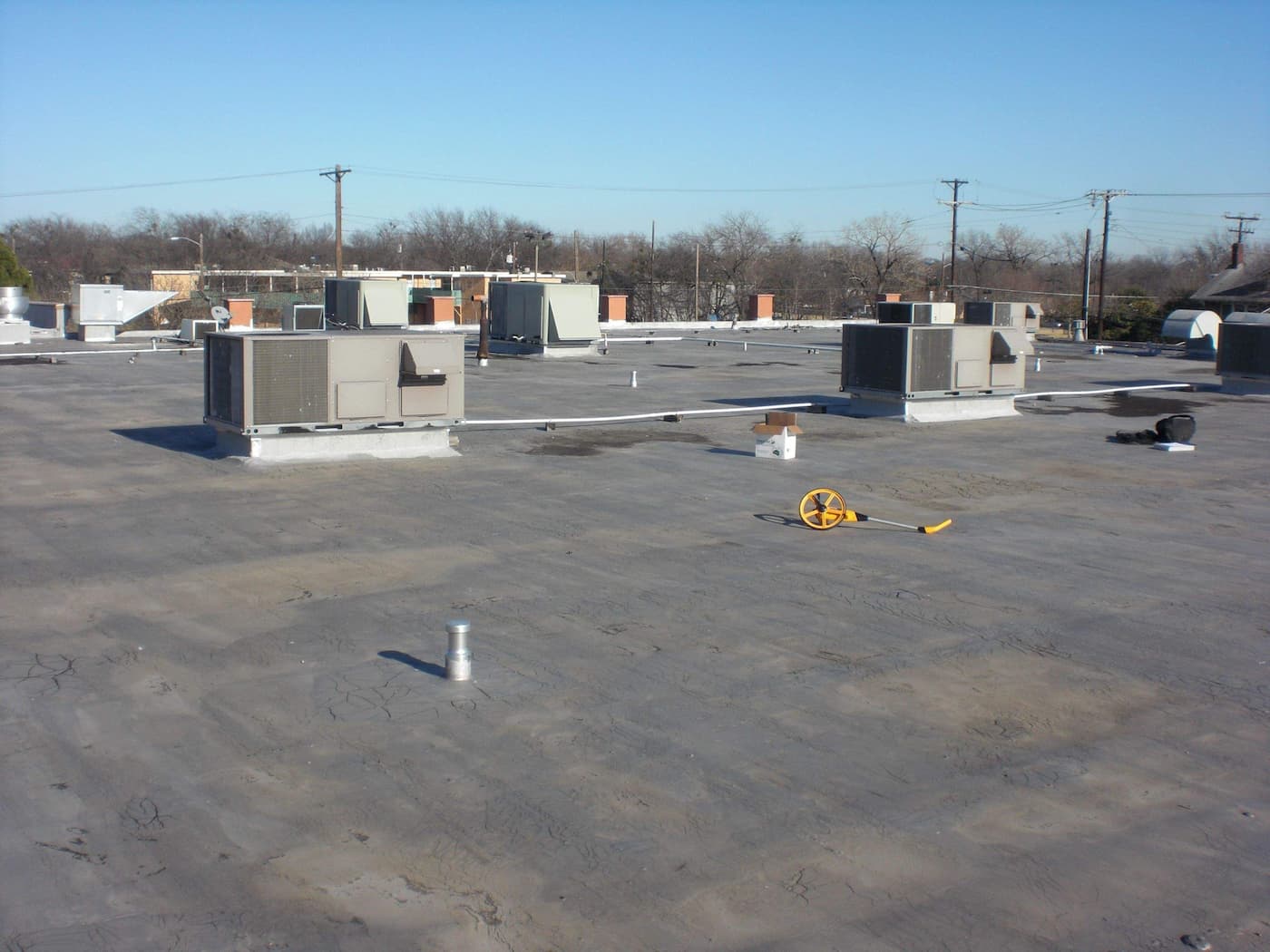
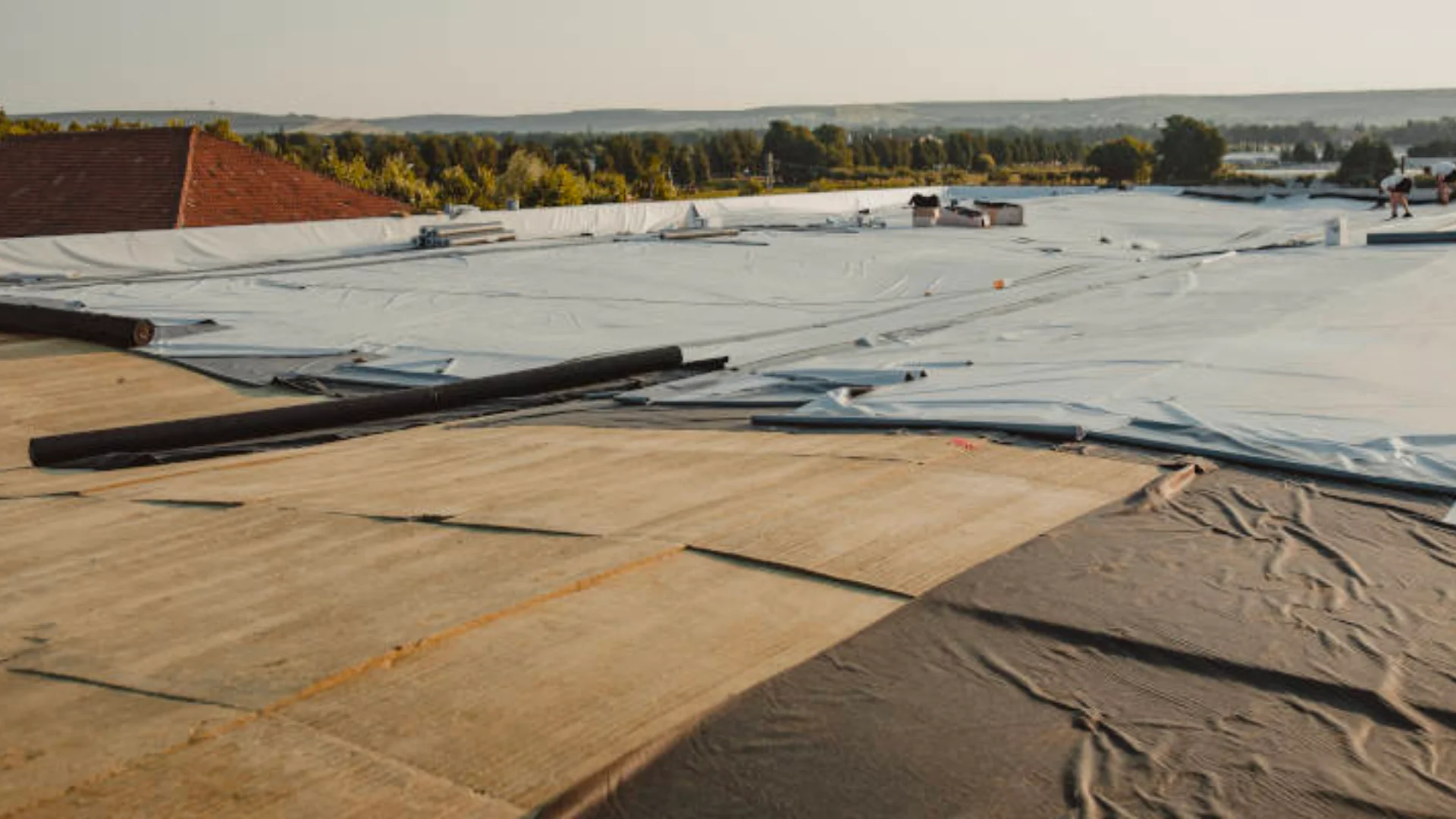
We walk the full perimeter first, checking coping seams, parapet cap attachment, gravel stop fastening, and edge-metal continuity for lift, creasing, or separation. From there we move to the field membrane, looking for wind-scour patterns, torn or lifted seams, membrane that has billowed and resettled with visible creasing, and any penetration flashing pulled loose at curbs, vents, or rooftop units.
Debris matters too. Wind-driven branches, gravel, or loose material from an adjacent roof can puncture or abrade a membrane in ways that are easy to attribute to the storm once documented with photos and a description of the debris found on the roof. We record which direction the damage pattern suggests the wind came from, since that detail helps tie the roof condition to the reported storm event.
Not all wind damage announces itself immediately. Membrane that lifted and resettled without tearing, or fasteners that backed out partway without full separation, can look close to normal on a quick walk while sitting weaker than it was before the storm. We probe suspect edge and seam areas rather than relying on a visual pass alone, because that partial damage is often what fails completely in the next wind event if it isn't caught first.
When a roof needs immediate protection, an open seam, exposed insulation, active water intrusion, we can install emergency tarp and dry-in work to stop the damage from spreading. We document the pre-tarp condition first, so the claim record isn't lost to the emergency response.
Our report lays out the affected roof sections, the specific edge, seam, or flashing failures found, measurements of lifted or missing material, and photos dated to the inspection. We're your roofing contractor, not a public adjuster, we document and substantiate the wind damage so the owner and their adjuster are working from the same accurate scope, rather than negotiating over conditions no one recorded at the time.
That approach holds whether the building is a downtown Huntsville office, a research and technology tenant space, or a warehouse roof out toward Jetplex and the airport corridor, each has a different roof system and edge detail, and the documentation has to match what's actually up there.
Damage depends more on the roof's edge and fastening condition than a single wind-speed threshold. Straight-line thunderstorm winds and tornado-adjacent gusts common to north Alabama can lift membrane at parapets, copings, and edge metal well before reaching extreme wind ratings, especially where prior repairs or aging adhesive weakened the attachment.
We record membrane lift and creasing, displaced or missing edge metal and coping, torn flashing at penetrations, and debris impact, with photos, measurements, and notes on which roof sections were affected and from which direction the wind appears to have hit.
Yes. A membrane that lifted and resettled, or fasteners that backed out without full separation, can look normal until the next wind event finishes the job. An inspection after a severe storm can catch that partial damage before it becomes a larger loss.
Yes, we can install emergency dry-in protection to stop water intrusion while the claim and permanent repair scope are worked out, and we document the pre-tarp condition first so that evidence isn't lost.
Coping, parapets, and edge metal fail before the field membrane does, and get inspected first for lift and separation.
Damage patterns are recorded in a way that ties the roof condition to the reported storm event.
Active leaks get tarped fast, but only after the pre-repair condition is documented for the claim file.